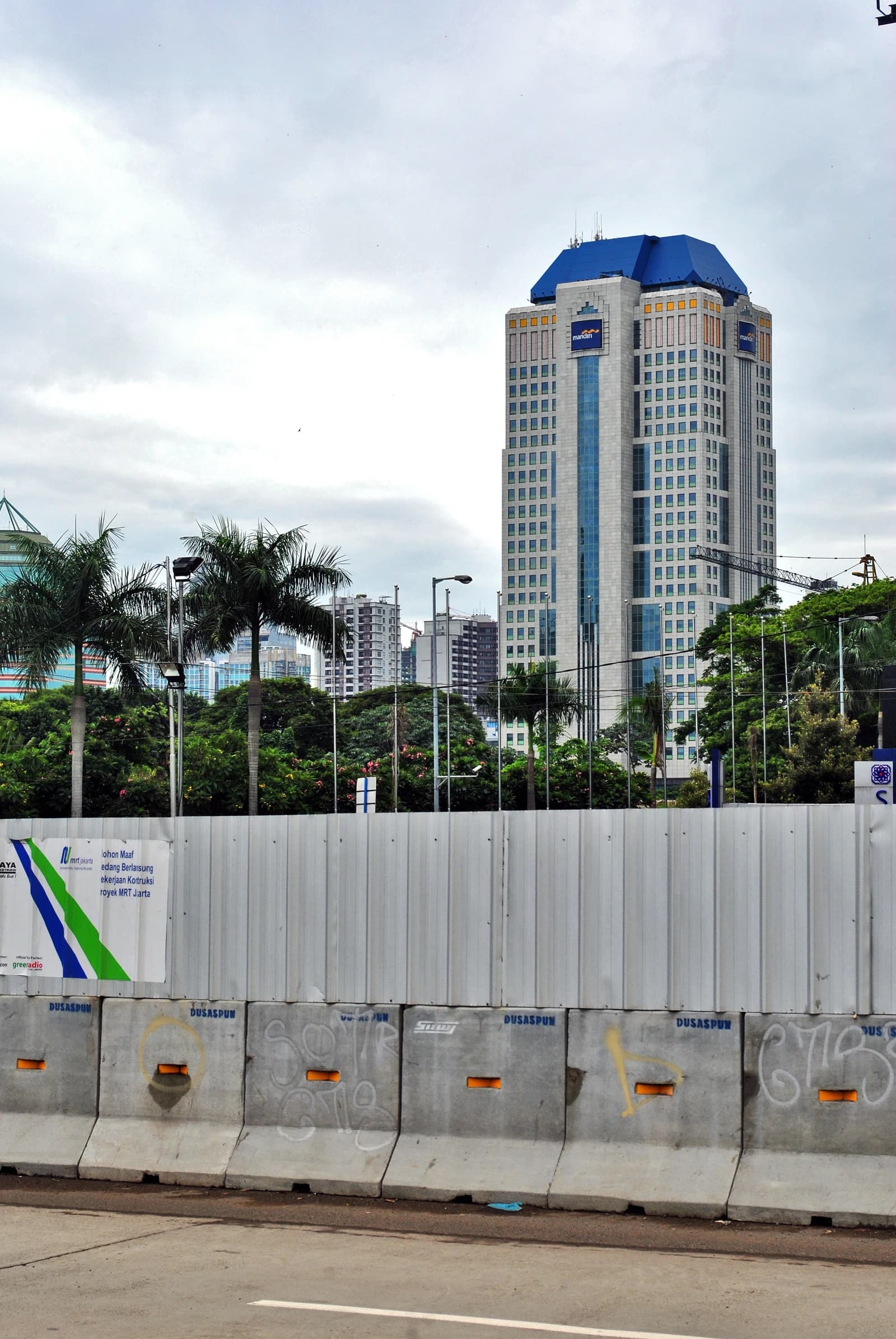
Bank Indonesia is heading toward another rate hike as a softer rupiah and stubborn global pressures keep policymakers focused on currency stability rather than near-term growth.
Bank Indonesia Rate Hike, Rupiah Weakness, EIDO

Markets are pricing the benchmark BI-Rate to rise 25 basis points to 6% at the November 2026 meeting, with projections pointing to 6.25% by the end of next year. That may sound modest, but for investors it matters because Indonesia’s policy path is being shaped less by domestic demand than by the need to defend the currency in a world of stronger-for-longer US rates and shaky risk appetite.
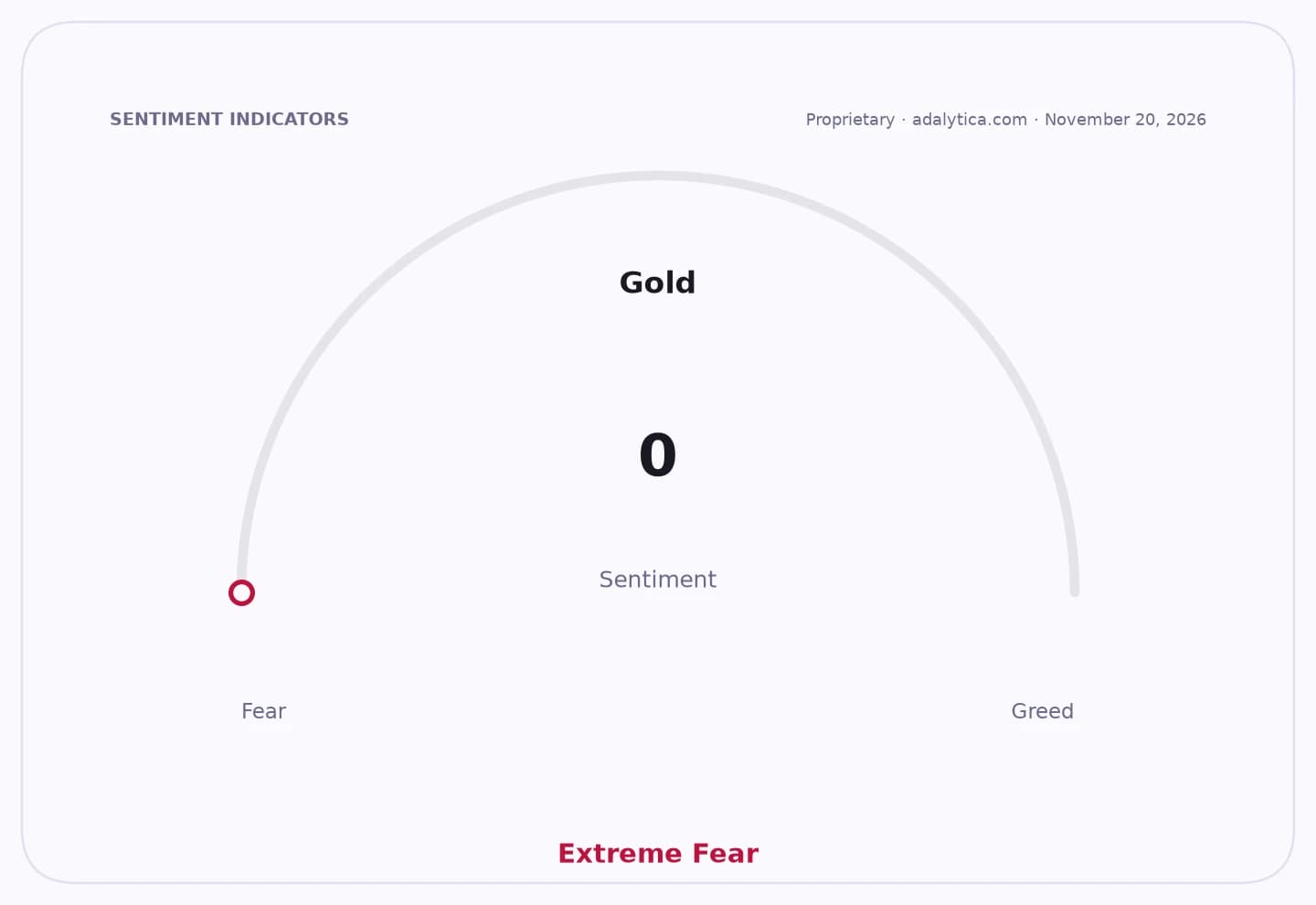
Sentiment Indicators
The rupiah has already shown the strain. It opened weaker at IDR 18,282 per dollar as traders waited for the central bank meeting, with Bank Indonesia blaming the slide on external pressure, including a firm US dollar and MSCI-related flows. That is the kind of backdrop that tends to keep rates elevated for longer, even if inflation is not the main problem. In other words, BI is trying to buy time and preserve financial stability.
That has real economic consequences. Higher rates typically help support the currency by making rupiah assets more attractive, but they also raise borrowing costs for households and companies. For an economy still trying to balance growth with stability, the trade-off is clear: tighter policy may help prevent imported inflation and outflows, yet it can also slow credit growth and keep pressure on leveraged sectors.
Investors are already reading the message in the market. The iShares MSCI Indonesia ETF, EIDO, has been volatile and remains well below earlier levels this year, while technical readings have improved only recently after a sharp selloff. The rupiah itself has also been under pressure, even though it has bounced off some of its weakest points. That tells you global investors are still demanding a higher risk premium for Indonesian assets.
There is a broader story here, too. Indonesia is not raising rates because growth is booming; it is doing it because emerging-market central banks cannot ignore the dollar cycle. The US Treasury yield backdrop remains elevated, which keeps capital flowing toward safer dollar assets and leaves countries like Indonesia defending their currencies with policy tools they would rather not use aggressively.
For long-term investors, that does not automatically make Indonesia a bad bet. It does mean the next leg for local assets will likely depend on whether BI can steady the rupiah without choking off activity. If the central bank succeeds, Indonesian stocks and bonds could recover once foreign exchange pressure eases. If not, volatility may stay high for longer. Either way, this is a story worth watching closely rather than chasing on headlines alone.
| Entity | Gains | Losses |
|---|---|---|
| Bank Indonesia | ▲Rupiah support | ▼Growth momentum |
| Rupiah holders | ▲Currency stability | ▼Imported inflation risk |
| Borrowers | ▲— | ▼Higher financing costs |
| EIDO investors | ▲Potential valuation rebound | ▼Near-term volatility |