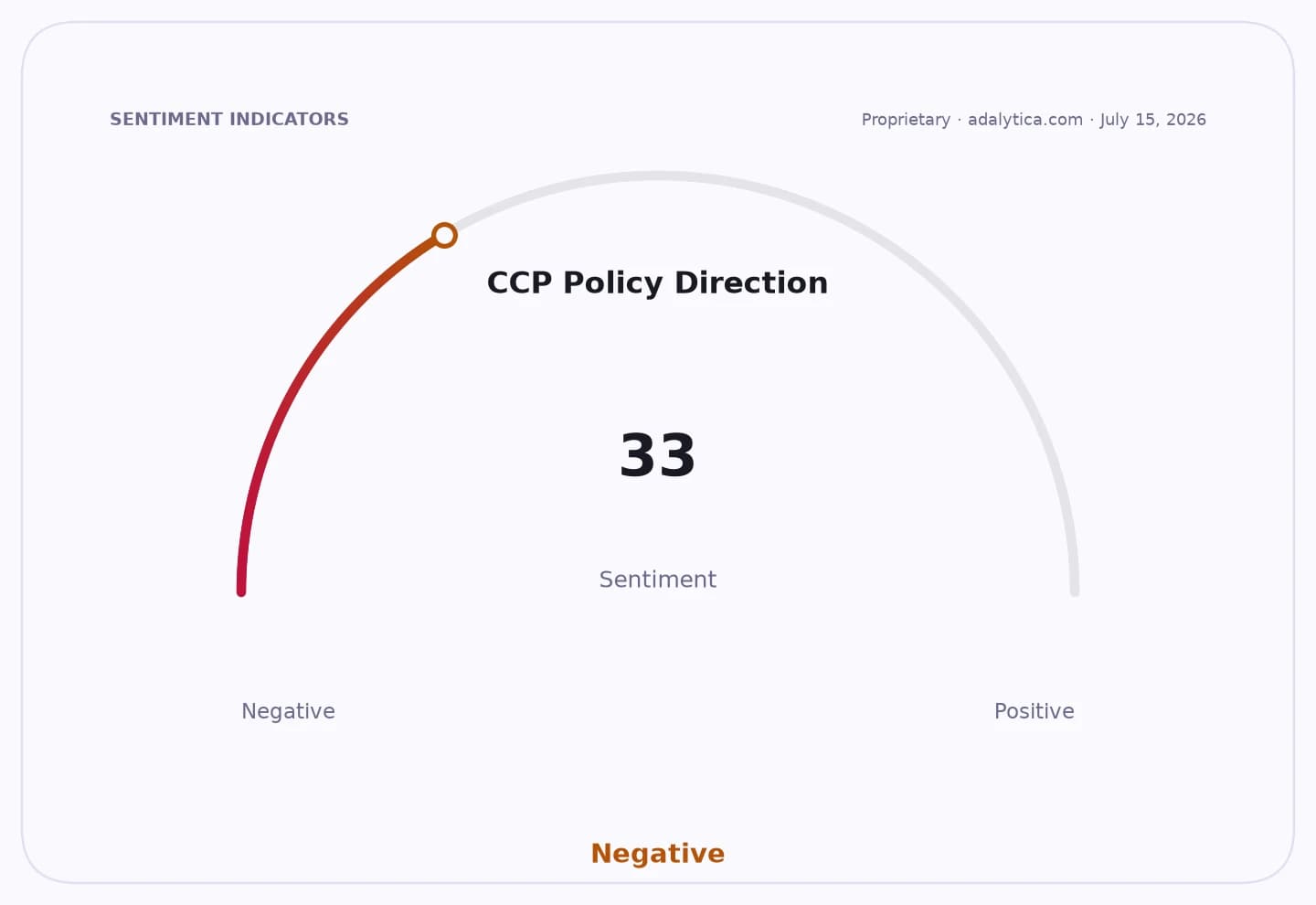
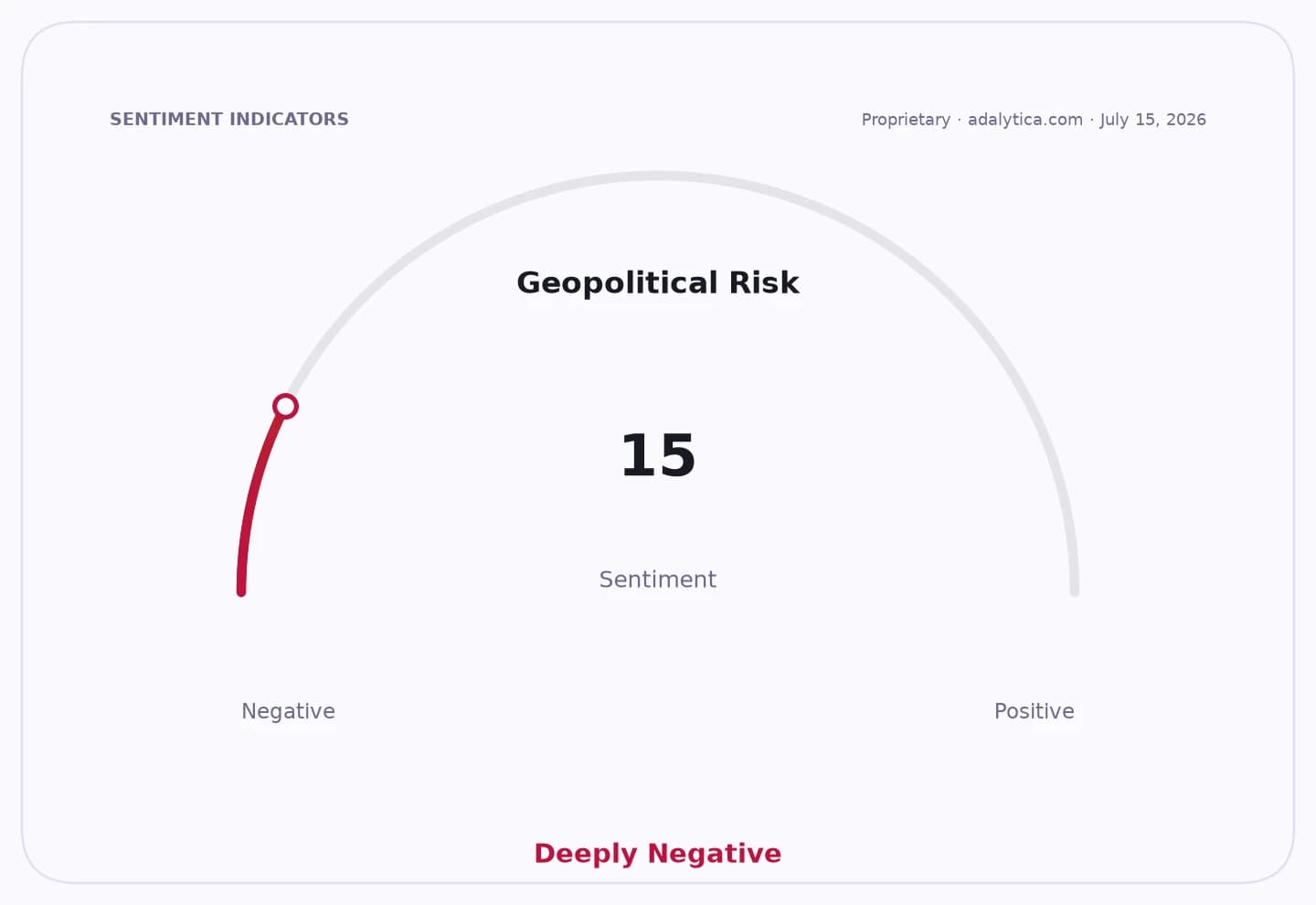
Bottled soybean oil is still hard to find in Dhaka, and that supply squeeze is rippling through household food budgets as flour and refined flour prices climb in the capital’s retail markets.
Bangladesh soybean oil shortage lifts Dhaka food prices

The shortage matters because it is not just a one-off retail inconvenience; it is a sign that Bangladesh’s staple-food inflation remains sticky even as some meat and egg prices ease. When cooking oil is scarce, shoppers are forced to buy larger bottles or pay up for what is available, while rising flour prices keep pressure on the other core item in the daily basket. That combination is exactly how food inflation becomes persistent: one shortage feeds the next, and consumers have few substitutes.
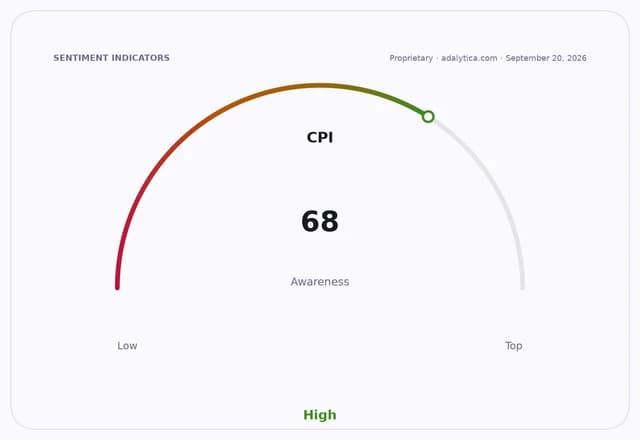
Sentiment IndicatorsⓘProprietary · adalytica.com · September 20, 2026
This is a snapshot — live sentiment, awareness and momentum for 130+ markets update continuously in the dashboard.Open AlphaPulse
Retailers and wholesalers say edible oil companies raised prices on Sept. 2, but normal supplies have still not returned. In Dhaka, bottled soybean oil has risen by Tk5 a litre to Tk204, while 2-litre bottles cost Tk408 and 5-litre bottles Tk1,020. Smaller 500ml and 1-litre packs are rarely available, with only two or three companies supplying mostly 2-litre and 5-litre containers. For consumers, that means less choice and a higher effective cost of living, especially for low- and middle-income households that buy smaller quantities more frequently.
The pressure is broadening beyond oil. The Trading Corporation of Bangladesh said loose flour has risen Tk3 a kilogram over the past month to Tk50, while loose refined flour is now Tk65-Tk70 a kilogram, up from Tk55-Tk60. Packaged refined flour has jumped to Tk80-Tk85 a kilogram from Tk70-Tk75. A 50-kilogram sack has also climbed from Tk2,500 to Tk2,800, underscoring that the cost increase is flowing through the supply chain, not just at the retail counter.
That matters for investors because food inflation in a country like Bangladesh eventually reaches across every balance sheet tied to consumption. Importers, refiners and FMCG producers may enjoy short-term pricing power, but they also face the risk of demand destruction if households trade down or cut purchases. Meanwhile, persistent staples inflation tends to keep pressure on policymakers, support defensive consumer names, and raise the odds of more frequent market interventions, especially when politically sensitive items such as edible oil and flour are involved.
The broader commodity backdrop still points to a tight food system. Global food prices have been pushed higher by conflict, climate shocks and disrupted trade routes, and commodity-heavy businesses from Archer-Daniels-Midland to Bunge have already been warning about volatile input costs and logistics constraints. That keeps the supply side fragile even when local demand is steady. In Dhaka, the message is blunt: until oil and flour supply normalizes, consumer inflation will remain stubbornly high and the market will keep rewarding companies with inventory, logistics reach and pricing power.
For investors, the setup argues for staying long the picks-and-shovels of food distribution and selectively cautious on exposed consumer names. The next catalyst is not lower prices — it is whether supply volumes recover enough to break the current inflation loop. Until then, Bangladesh’s food basket remains a live inflation story, not a temporary market glitch.
| Entity | Gains | Losses |
|---|---|---|
| Oil refiners/distributors | ▲Higher selling prices | ▼Volume normalization pressure |
| Flour mills/packagers | ▲Pricing power | ▼Consumer pushback |
| Food retailers with inventory | ▲Short-term margins | ▼Stock shortages |
| Dhaka households | ▲— | ▼Higher staple costs |