The wheat shortage in Balochistan has moved from a supply warning to a consumer price shock, with flour costs surging in Quetta and other districts as the provincial government still has not secured wheat stocks from PASCO.
Balochistan Wheat Shortage Pushes Flour Prices Higher
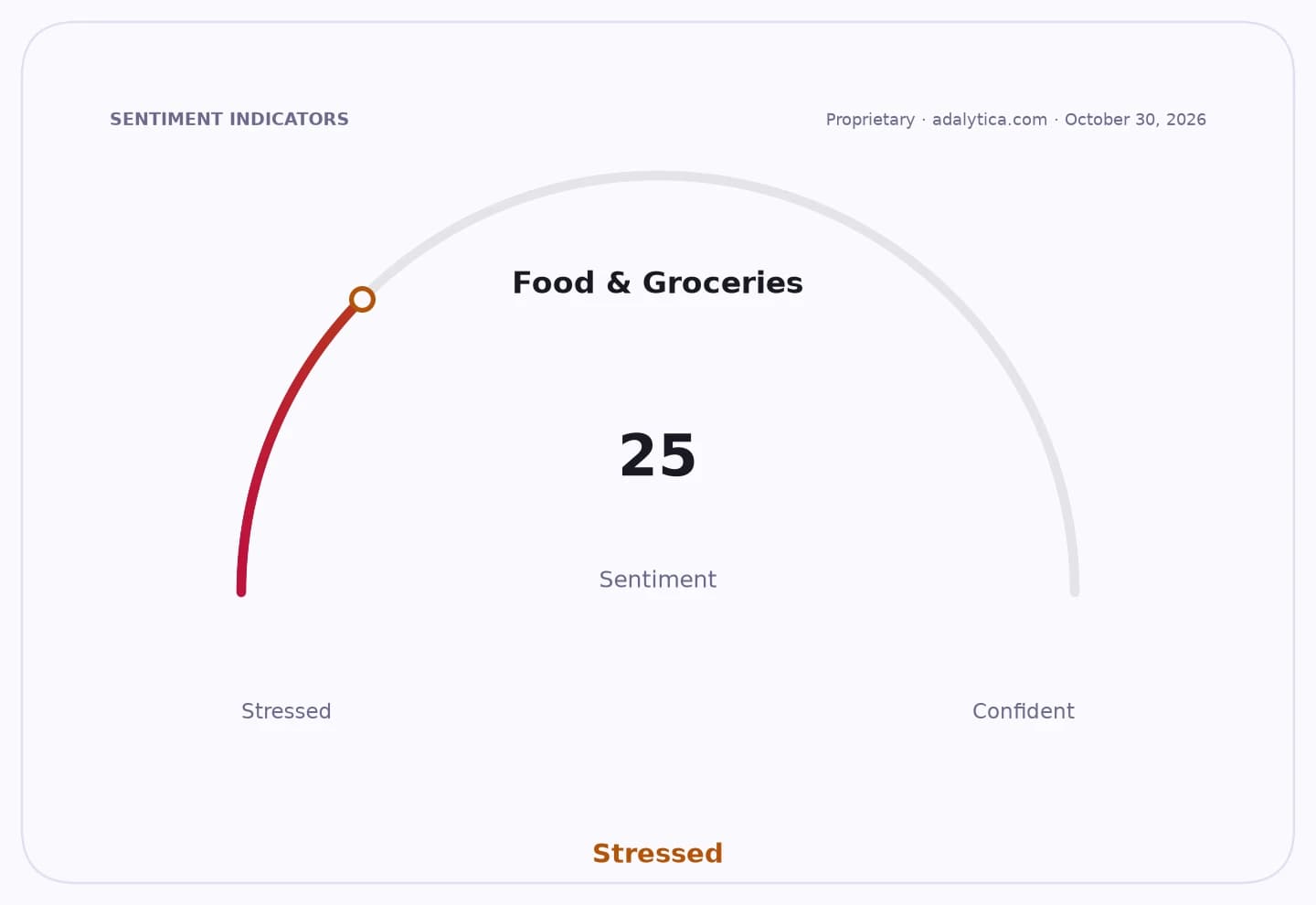
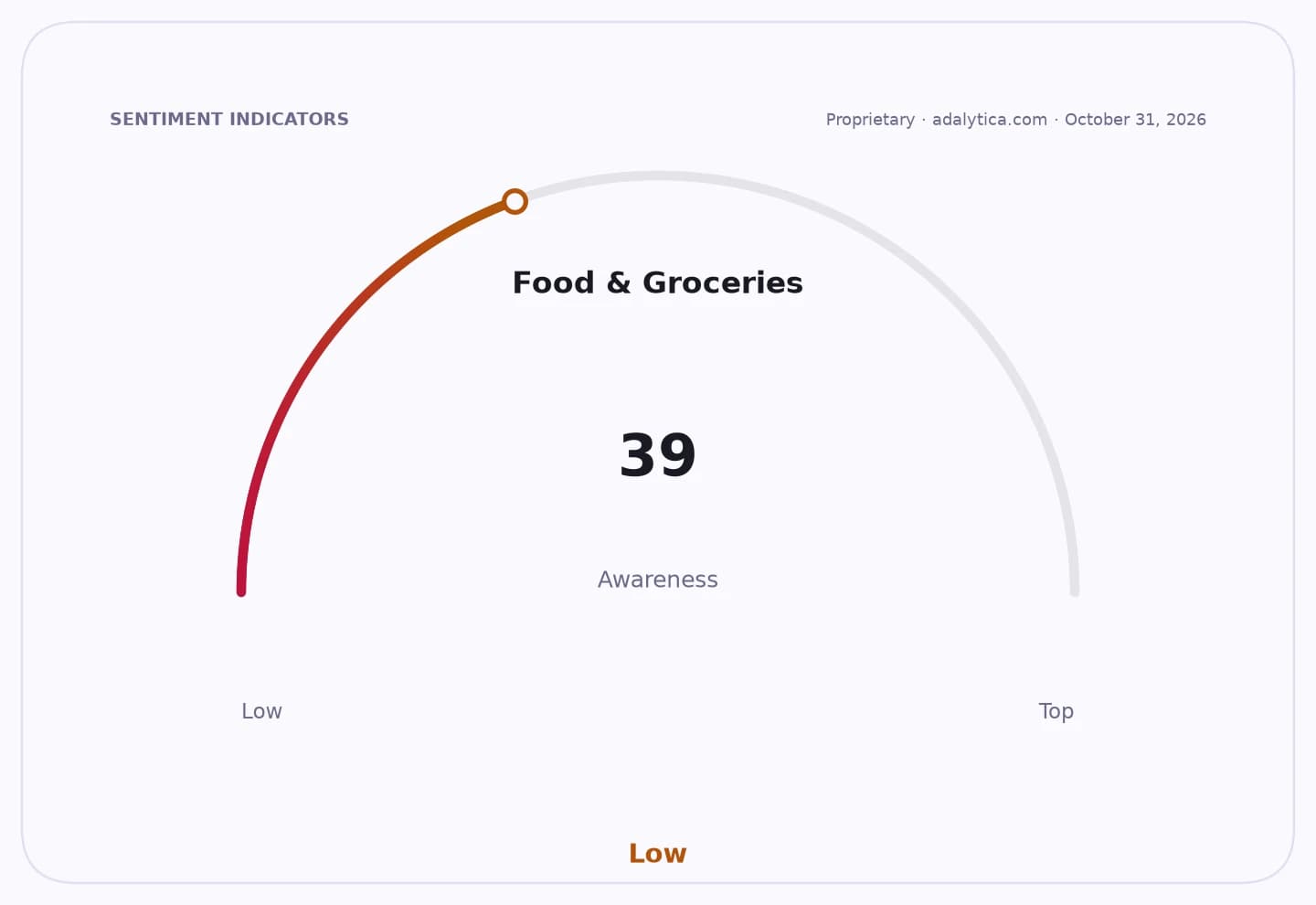
Food & Groceries
That matters because bread is a core household staple in one of Pakistan’s poorest provinces, where food inflation quickly turns into a broader strain on living standards. When supplies tighten, the burden falls first on low-income families and small businesses, then on provincial finances as authorities are forced to intervene after prices have already moved.
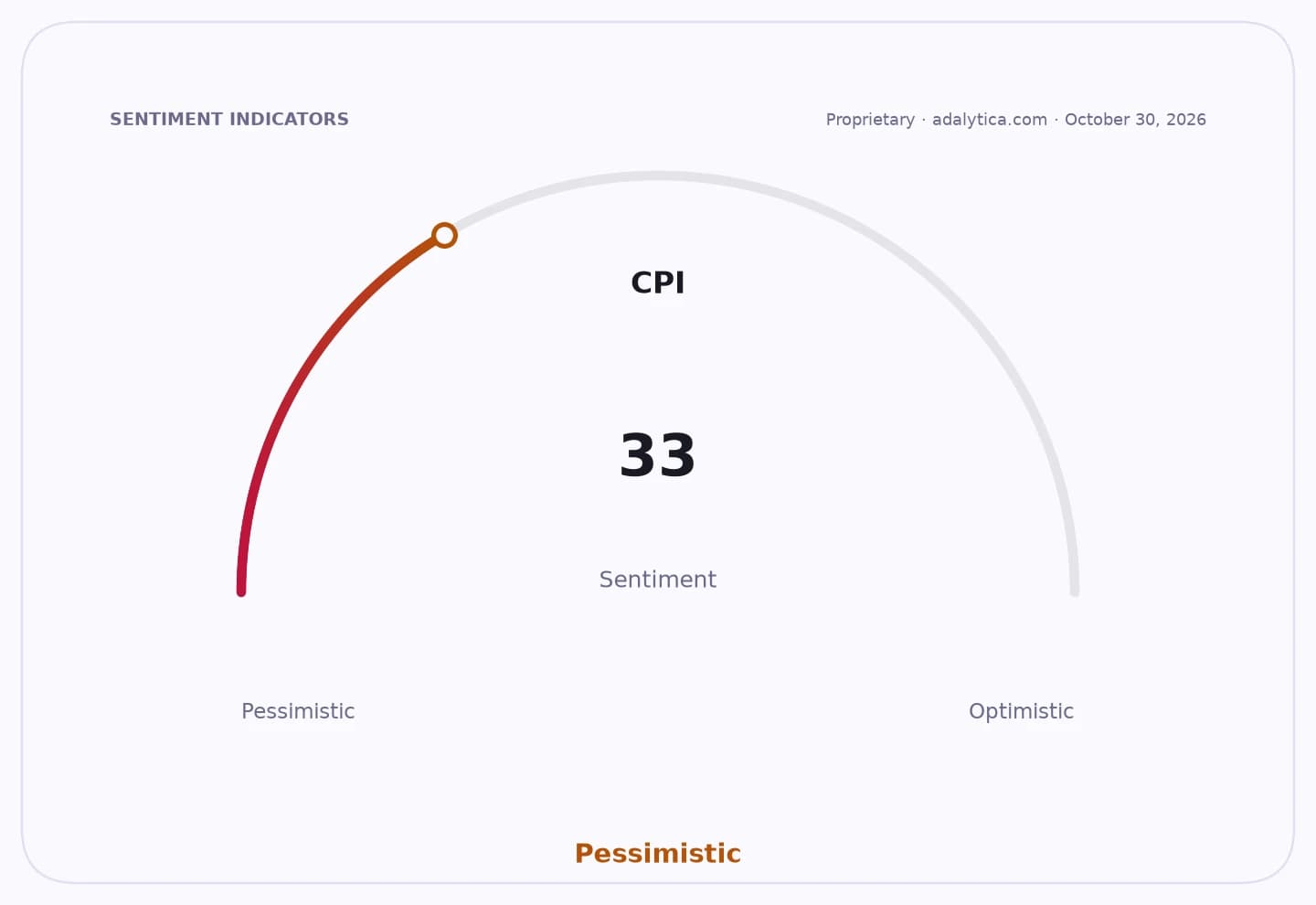
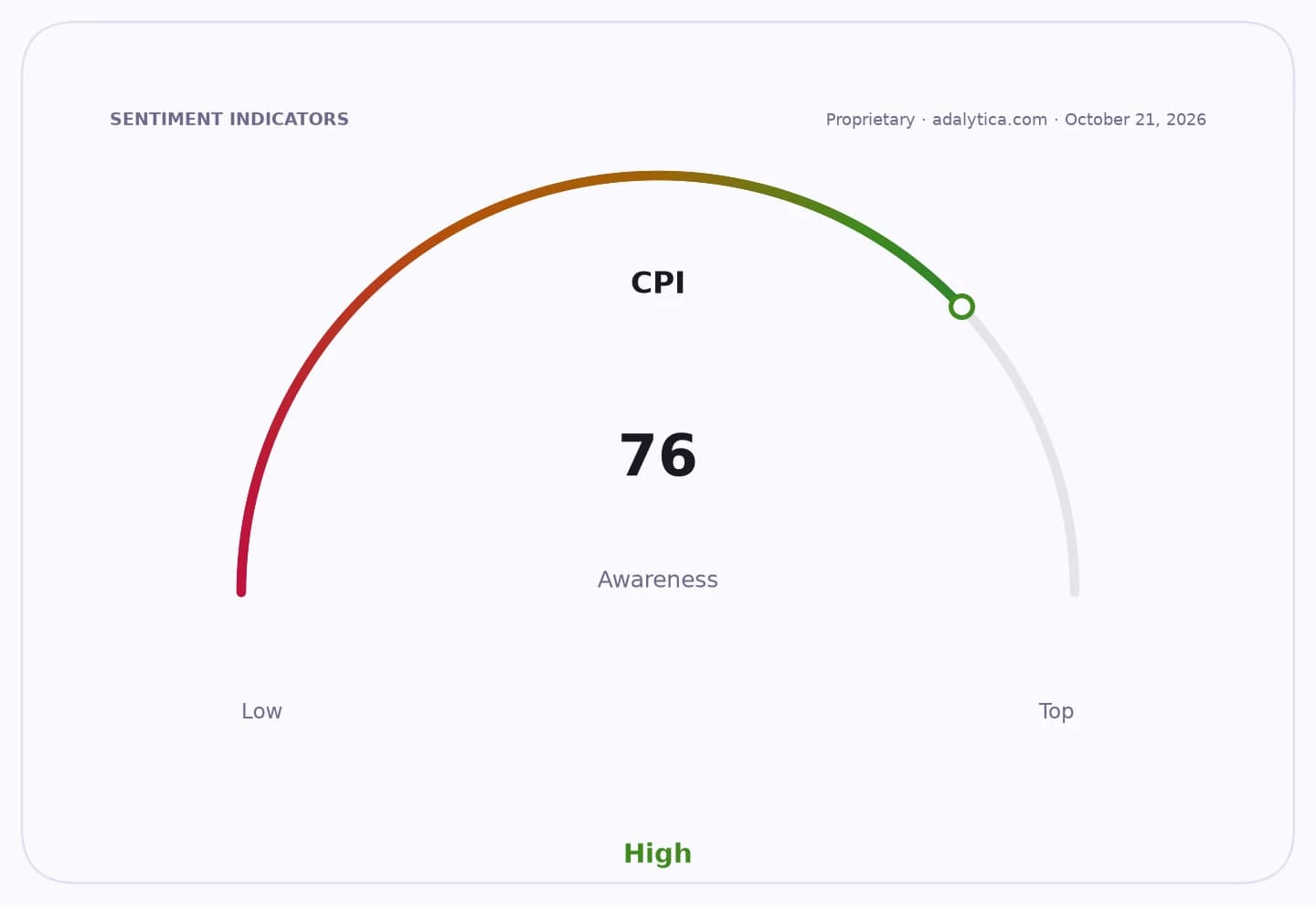
Sentiment Indicators
CPI
Market sources say a 20-kilogram flour bag in Quetta has climbed to Rs3,330, while a 50-kilogram bag in Khuzdar, Chagai, Washuk, Kech and other districts has topped Rs8,000. Those prices point to a supply breakdown rather than a temporary retail disturbance. The crisis is being driven by Balochistan’s inability to purchase even 100,000 sacks of wheat from the Pakistan Agricultural Storage and Services Corp, leaving the province dependent on talks that have dragged on for months.
The economic significance extends beyond Balochistan. A local wheat shortage in a border province increases the risk of hoarding, inter-district price distortions and pressure on transport and trading channels already vulnerable to poor logistics. It also raises the probability that the provincial administration will have to absorb higher procurement costs later, if it can source grain at all, while any delay risks forcing consumers deeper into the informal market.
For investors, the immediate read-through is on food inflation and policy credibility. Persistent wheat shortages can keep upward pressure on Pakistan’s consumer prices, complicating the broader inflation outlook and leaving little room for discretionary spending in affected regions. In commodity terms, the stress is consistent with firmer wheat pricing globally: Chicago wheat futures have recently traded above their 50-day and 200-day moving averages, a sign that the market has been pricing in tighter supply conditions even before local shortages deepen.
The province’s own response appears fragmented. The food secretary said talks with PASCO are ongoing, while pricing and enforcement are left to the industries department and deputy commissioners. That leaves the main policy question unresolved: whether Balochistan can secure physical wheat before the shortage spreads further, or whether consumers will keep paying up for flour while officials negotiate.
For now, the story is less about a single price spike than about a breakdown in procurement and enforcement. If the province does not secure supplies soon, the crisis is likely to broaden from Quetta into more districts, with the biggest losers being households and bakers and the biggest beneficiaries any traders already positioned to profit from scarcity.
| Entity | Gains | Losses |
|---|---|---|
| Balochistan consumers | ▲None | ▼Higher flour prices |
| Flour traders/hoarders | ▲Pricing power | ▼None |
| Provincial government | ▲None | ▼Policy credibility |
| PASCO / supply chain | ▲None | ▼Pressure to deliver grain |