The Central Bank of Bahrain is giving lenders more room to streamline customer checks, a move that should trim compliance costs for banks while keeping anti-money-laundering safeguards in place.
Bahrain central bank eases bank customer checks
Under the changes, which take effect Oct. 20, 2026, banks can apply simplified due diligence to customers they can document as low risk for money laundering, terrorism financing and proliferation financing. That matters because compliance is one of the most expensive, time-consuming parts of modern banking, and any rule that reduces the need to repeatedly refresh files or monitor transactions as intensively can support margins over time.
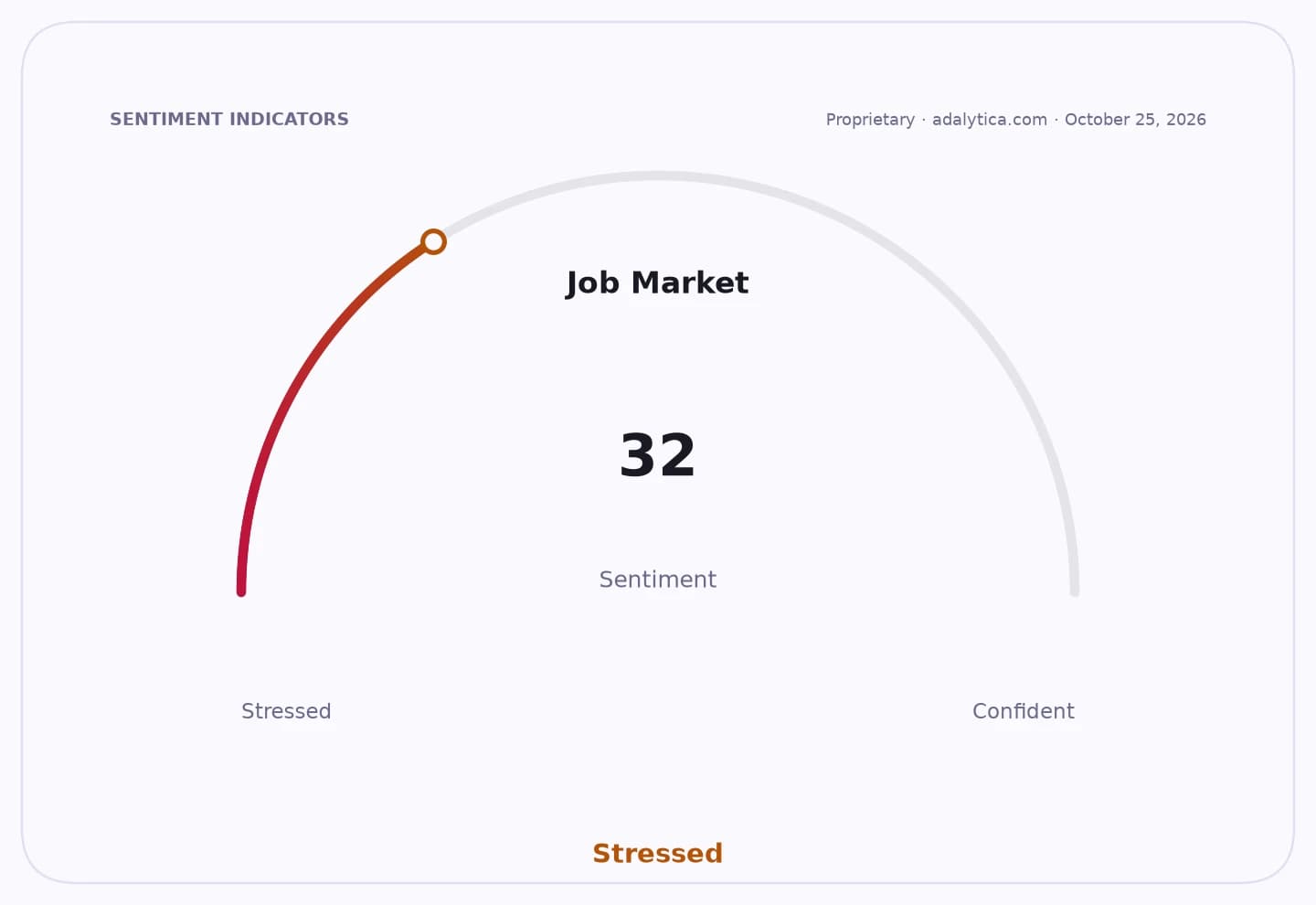
Sentiment Indicators
The regulator is not opening the door indiscriminately. It said low-risk status must be assessed and documented by each licensed institution using a risk-based approach that takes into account the national risk assessment, sector reviews and the bank’s own review. The relief is only available to specific categories such as the central bank itself, Bahrain Bourse, certain Gulf and Financial Action Task Force member government entities, listed companies with equivalent disclosure standards, and regulated financial institutions subject to comparable anti-money-laundering rules.
For investors, the key point is that this is a targeted efficiency gain, not a weakening of controls. Banks may reduce the frequency of customer data updates and scale back ongoing transaction monitoring in qualifying cases, but they still need basic customer information and must keep records proving why a client was classified as low risk. Correspondent banking remains subject to enhanced due diligence, and simplified checks are barred whenever a bank suspects links to money laundering or terrorist financing.
That balance matters for the long-term banking story in Bahrain and across the Gulf. Regulators in the region have been trying to modernize compliance frameworks without slipping below global standards set by the Financial Action Task Force. If the rules are implemented well, lenders can spend less on repetitive paperwork and more on growth, digital services and credit deployment, which is exactly the kind of operational leverage investors like to see in financial stocks.
The bigger takeaway is that compliance reform can be a quiet but durable earnings tailwind. It will not move bank profits overnight, but over several years, even modest reductions in manual onboarding and monitoring costs can add up, especially for institutions with large corporate and institutional client books. The challenge now is execution: banks will need strong governance, clean documentation and conservative judgment to avoid turning simpler rules into a compliance mistake. For long-term investors, that makes Bahrain’s latest step worth watching, not for a quick trade, but for what it says about the region’s push to make banking more efficient without sacrificing trust.
| Entity | Gains | Losses |
|---|---|---|
| Bahraini banks | ▲Lower compliance costs | ▼Less room for lax controls |
| Low-risk corporate clients | ▲Faster onboarding and updates | ▼More scrutiny if misclassified |
| Bahrain Central Bank | ▲More efficient rulebook | ▼Must enforce standards tightly |
| Compliance vendors/manual KYC workflows | ▲Slower demand growth | ▼Fewer repetitive checks |