Azerbaijan and Iran have agreed to begin electronic exchange of customs documents, a change that could cut delays at the Astara border crossing and make one of the South Caucasus’ key transit routes more efficient.
Azerbaijan and Iran Agree on Digital Customs Exchange
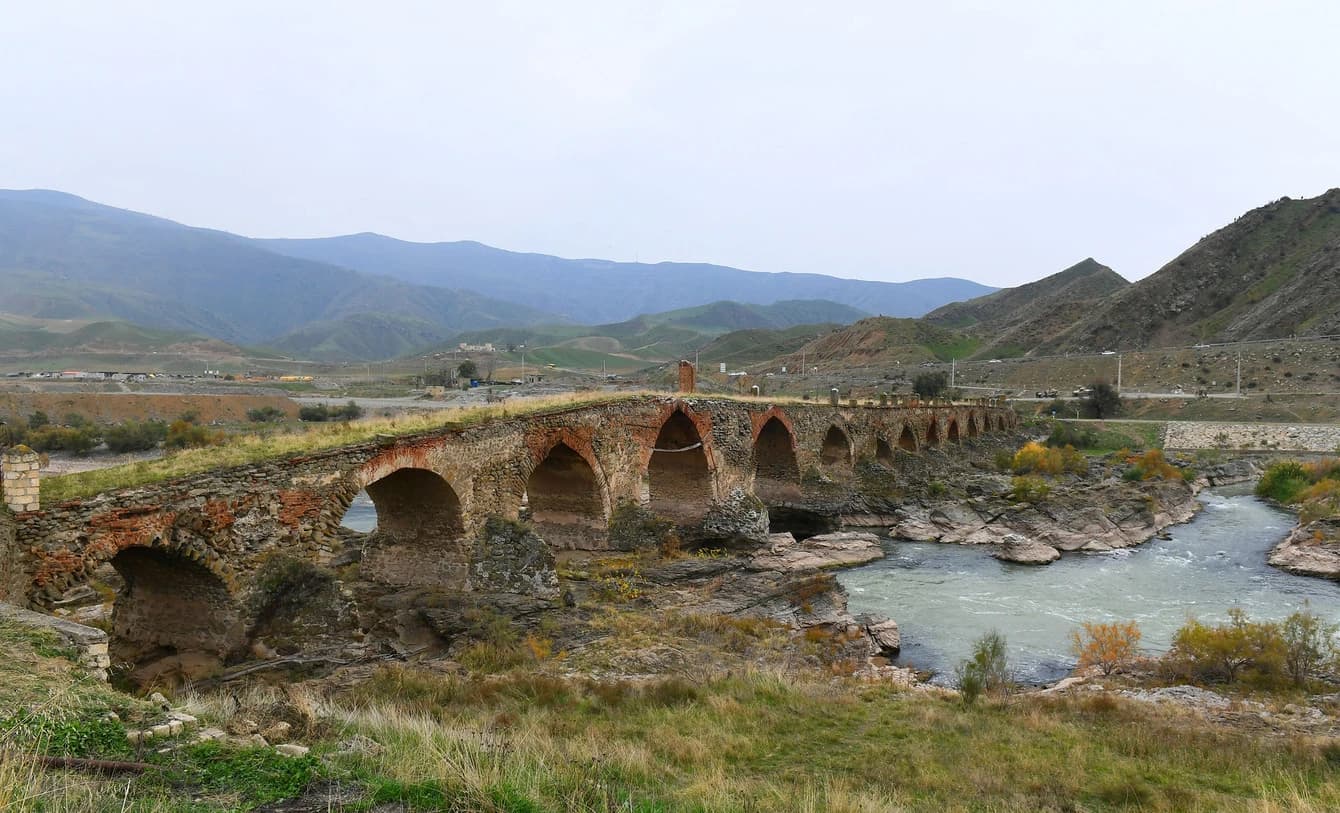
The move matters because the Azerbaijan-Iran frontier is not just a bilateral checkpoint; it is a bottleneck for regional trade, freight traffic and the wider North-South transit corridor linking Russia, the Caucasus and the Gulf. Faster document processing can reduce queues, lower logistics costs and improve the reliability of cargo flows at a time when governments across the region are trying to draw more revenue from transit and trade.
Iran’s ambassador to Azerbaijan, Mojtaba Damirchilu, said the two sides had reached agreement on the electronic exchange and that Astara plays a special role in expanding economic ties. He said closer cooperation at the border would help resolve operational problems, accelerate procedures and allow transit cargo to move more quickly.
The timing is important. The border upgrade comes as Baku and Tehran are trying to keep economic channels open despite periodic political tensions. It also fits with broader efforts by both countries to deepen connectivity, including work on transport links that could support the North-South corridor and boost flows through the Caspian-Caucasus route.
For investors and shippers, the practical impact is more important than the diplomacy. Electronic customs handling can improve throughput, support higher trade volumes and make the route more attractive for freight operators competing with alternative corridors. That is especially relevant for exporters and importers that depend on predictable crossing times rather than headline trade agreements that take years to translate into cash flow.
There are still limits. Border efficiency gains depend on how quickly both customs administrations integrate systems, standardize paperwork and reduce manual checks. But even a partial shift to digital processing would be a step toward lower friction in a corridor where small procedural delays can have outsized economic costs.
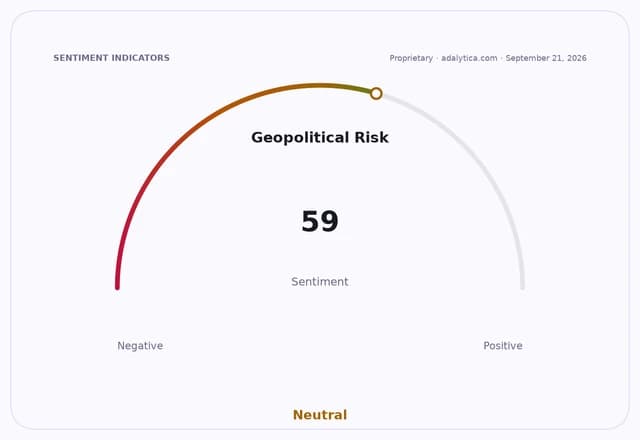
The development also adds to a cautious improvement in regional stability, reflected in Adalytica’s Global Stability Sentiment gauge, which has turned neutral after recent volatility. For now, the main takeaway for markets is that Azerbaijan and Iran are moving from diplomatic contact to operational coordination — a shift that could modestly improve trade conditions if implementation follows through.
| Entity | Gains | Losses |
|---|---|---|
| Azerbaijan customs and logistics operators | ▲Faster border processing | ▼Less room for manual delays |
| Iran exporters and transit carriers | ▲Lower shipment friction | ▼Higher compliance demands |
| North-South corridor project | ▲Better trade credibility | ▼Prolonged if implementation stalls |
| Alternative slower border routes | ▲Less immediate pressure | ▼Risk of losing cargo traffic |