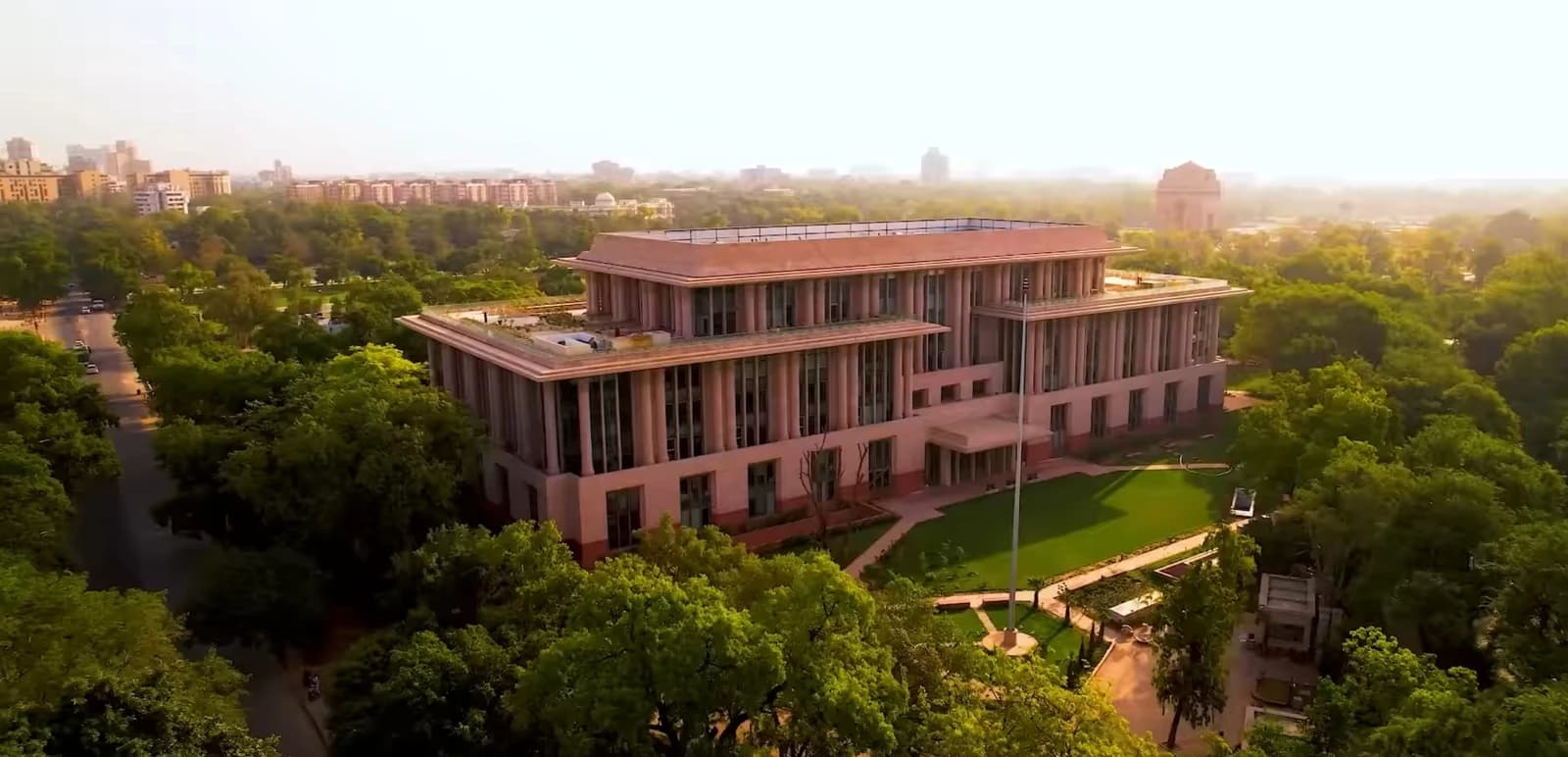
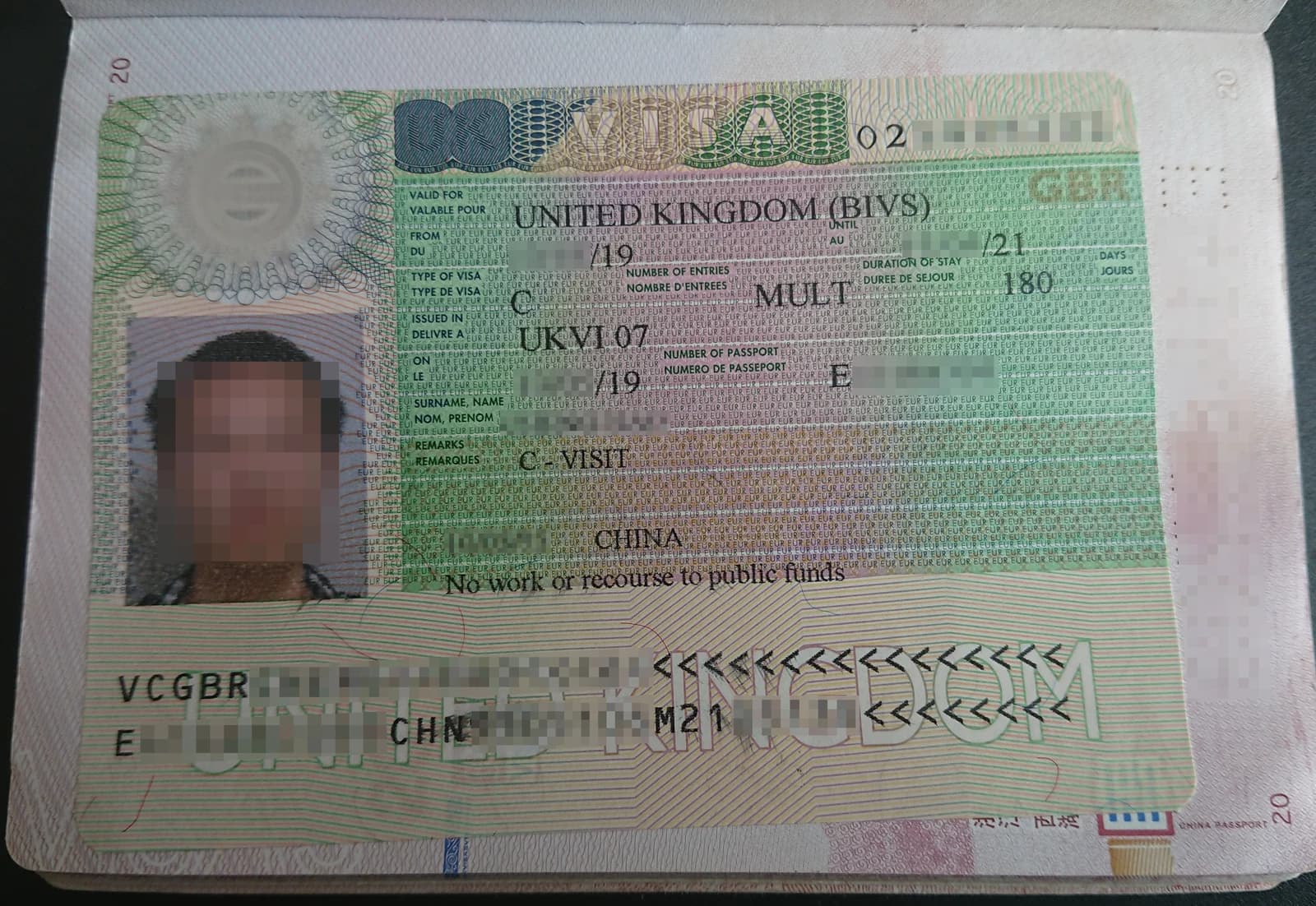
Australia is widening biometric checks for visa applicants in India at a time when Canberra is trying to tighten border controls without further damaging a $53.6 billion international education industry that is already losing momentum.
Australia widens biometric visa checks in India
The move matters because India has become one of Australia’s most important student source markets, and any extra friction in the application process risks discouraging arrivals just as universities and colleges are relying on overseas enrolments to support revenue. For Australia, the trade-off is increasingly stark: tougher screening may satisfy political pressure on migration and integrity, but it also raises the chance of fewer fee-paying students, weaker rental demand and slower spending in cities that depend on international arrivals.
The policy shift comes alongside a broader review of student visa rules as officials respond to complaints that international students no longer feel welcome. That perception is economically important. International education is one of Australia’s largest service exports, feeding tuition income, accommodation demand, transport, retail spending and long-term labour supply. If prospective students, particularly from India, decide the process is becoming more restrictive or uncertain, the effect would not stop at campus gates.
For investors, the immediate implications are uneven. Australian universities with high dependence on overseas fees face the most direct earnings risk if application volumes soften or approval times lengthen. Education-linked service providers, student housing operators and landlords in major university markets could also see slower demand. By contrast, businesses tied to compliance, identity verification and visa processing could benefit from a tougher regime if biometric checks become more central to the system.
The backdrop is a wider rebalancing in regional migration policy. New Zealand is easing some work pathways and extending post-study rights for Indian professionals under its free-trade framework, which may make it comparatively more attractive for some applicants. That raises the competitive pressure on Australia to avoid losing students to neighbours offering clearer or less cumbersome pathways.
Australia’s challenge is that its visa settings now have to do two things at once: reassure voters that migration is being controlled, and preserve the economics of a sector that depends on being seen as open. If the rules become too restrictive, the cost will show up not just in student numbers, but in the wider export earnings and urban spending that international education supports.
| Entity | Gains | Losses |
|---|---|---|
| Australia government | ▲Stronger visa screening | ▼Higher policy backlash |
| Indian student applicants | ▲Clearer compliance rules | ▼More friction, slower approvals |
| Australian universities | ▲Better integrity if system improves | ▼Lower enrolments and fee income |
| Visa and identity services firms | ▲More demand for checks | ▼— |