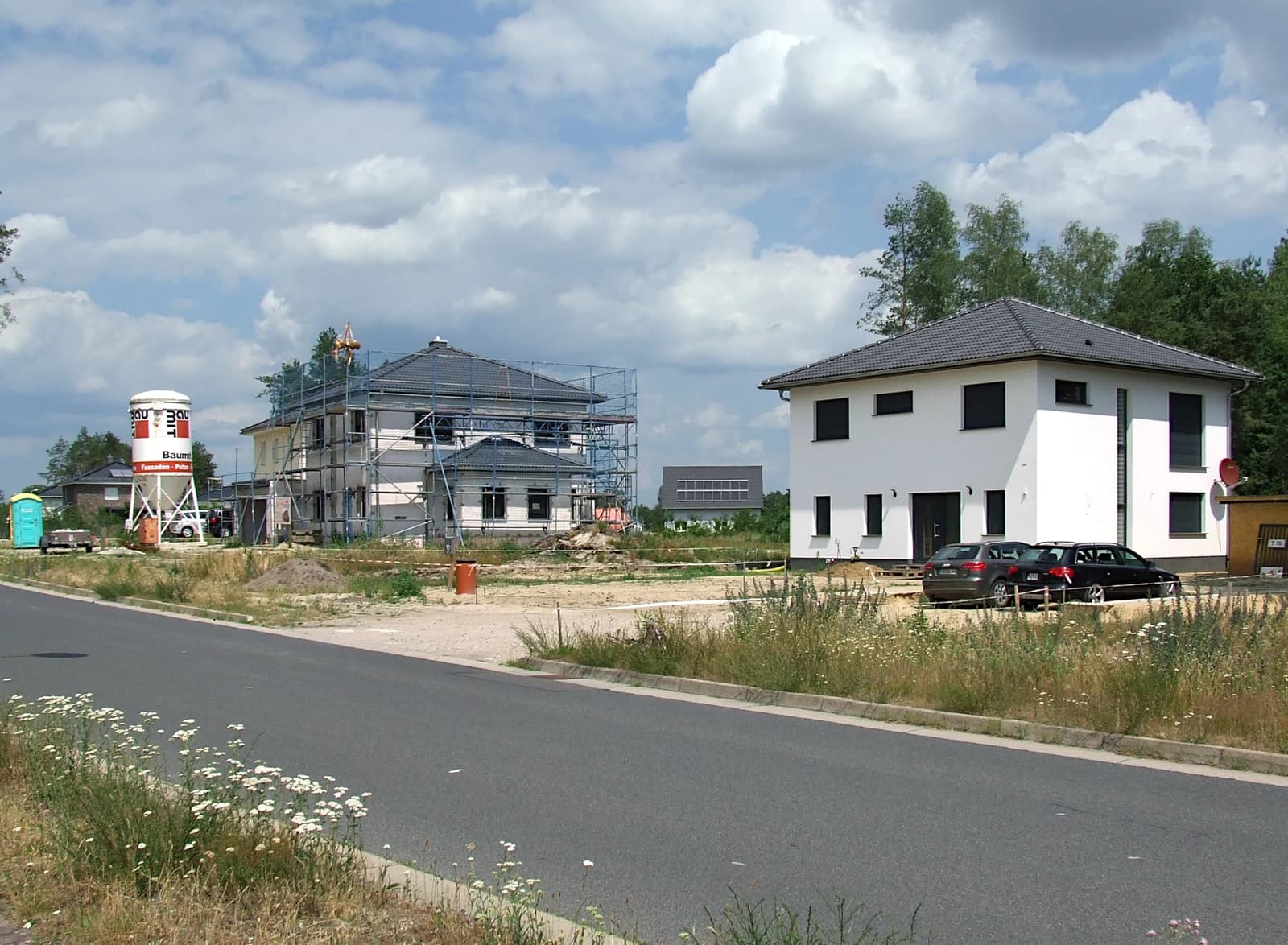
A growing backlash over apartment renovations is exposing a stark truth for Australia’s housing market: even high-priced homes can leave owners with mold, construction defects and mounting debt, and the financial fallout can be as damaging as the physical damage.
Australia apartment defects and renovation costs
That matters because the country’s apartment stock is increasingly central to housing supply, especially in major cities where prices have pushed buyers toward strata living. If residents lose confidence that expensive buildings are being maintained properly, it raises repair costs, drags on property values and threatens a key part of the residential market’s affordability equation.
The complaint cuts to a wider problem in apartment ownership: the gap between headline prices and underlying quality. When a building needs major work, owners can face special levies, insurance disputes and years of disruption. The result is a hidden balance-sheet risk for households that may have stretched to buy into the market in the first place.
The issue also points to a broader economic drag. Poorly executed renovations and construction defects can trigger extra spending on remediation instead of productive investment, while households absorb the costs through higher fees and debt. That can weaken consumer balance sheets and leave lenders, insurers and developers more exposed to claims tied to building quality.
For investors, the message is that residential property is not just a story about prices and rates — it is also a story about execution risk, regulation and trust. Developers with stronger quality control and better capital buffers should be better placed than peers facing warranty claims or reputational damage. Construction suppliers, insurers and strata-linked service providers could also see increased scrutiny if defect costs keep rising.
Our thesis is that the market underestimates the second-order effect of Australia’s apartment quality problem: it is not only a homeowner headache, but a pressure point for the broader housing value chain. If regulators tighten oversight and transparency, as they should, the winners will be builders and operators that can prove durability, while the losers will be those depending on weak standards and low-cost shortcuts.
| Entity | Gains | Losses |
|---|---|---|
| Quality-focused builders | ▲Trust and pricing power | ▼— |
| Developers with defect exposure | ▲— | ▼Warranty claims |
| Apartment owners | ▲Better oversight | ▼Special levies, disruptions |
| Insurers and lenders | ▲Lower long-term risk if standards improve | ▼Higher claims if defects persist |