Apple’s incoming chief executive John Ternus is heading into his first earnings test with investors focused on a squeeze in component costs, especially memory, as the iPhone maker balances higher AI-related spending against still-elevated demand for premium devices.
Apple faces memory cost pressure before earnings
The issue matters because memory and other advanced components can move gross margins quickly at Apple’s scale, and the company has already warned in its filings that supply constraints and rising costs for NAND and DRAM may intensify. For a company that generated years of outsize margin resilience, even a modest step-up in input costs can ripple through earnings expectations, buyback capacity and valuation.
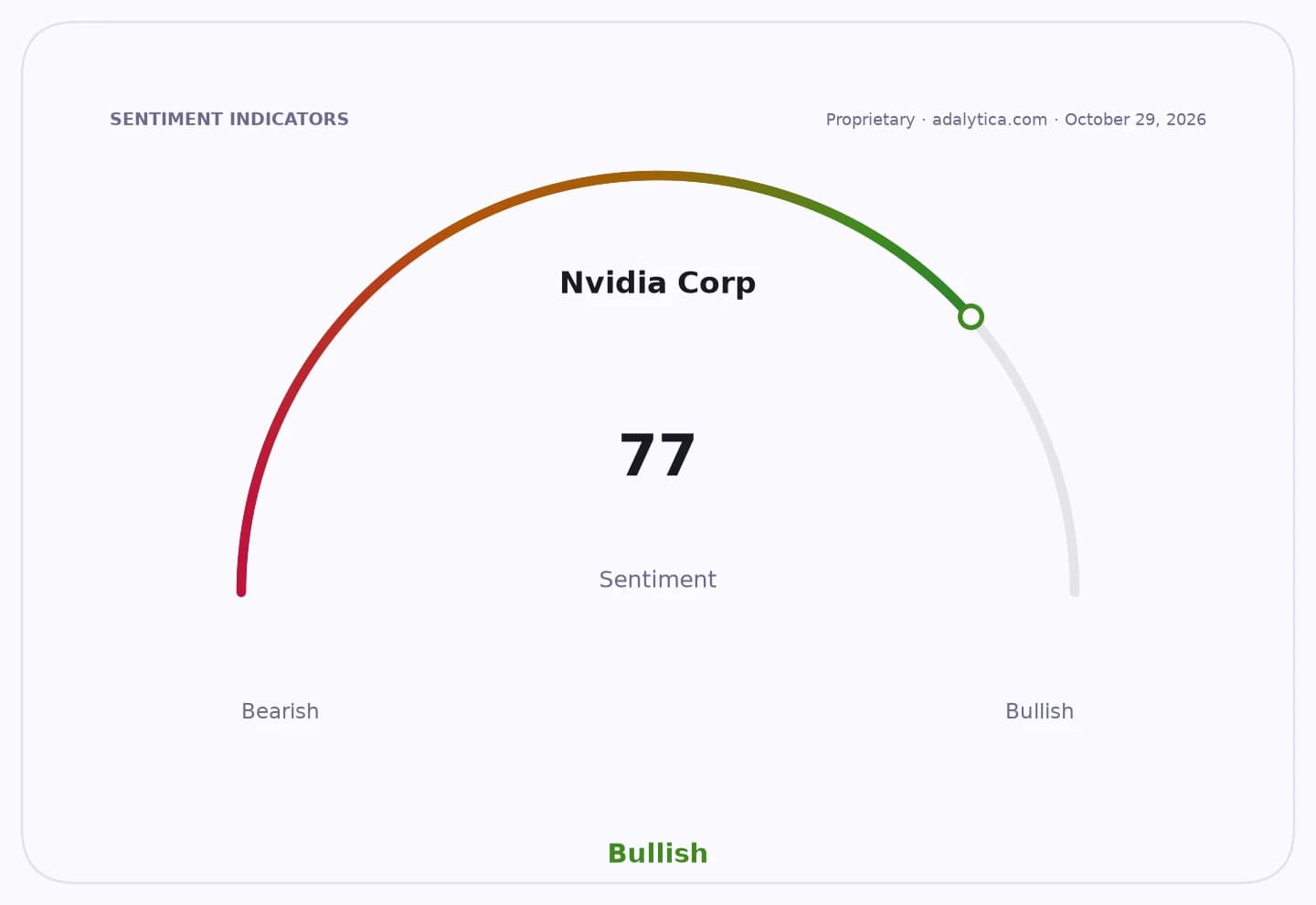
Sentiment Indicators
That backdrop comes as Apple trades around $344.63, near the top of its recent range but below the year’s highs above $348, while its shares remain well above the 50-day moving average of $333.04 and the 200-day average of $296.27. The stock’s RSI reading of 54.9 suggests neither overbought nor oversold conditions, leaving room for a reaction if management sounds more cautious on margins or guidance.
Investors will be watching whether Ternus, long seen as a hardware operator, signals tighter control over costs and product mix as Apple continues to invest in AI features and refresh its device lineup. The concern is not just one quarter’s margin compression: higher memory prices can force Apple to choose between absorbing costs, raising prices or leaning harder on services and premium configurations to defend profitability.
The report also lands at a moment when semiconductor supply chains remain tight and chipmakers are still spending heavily to keep pace with demand. NVIDIA, a key bellwether for AI infrastructure, has seen its own share price slide to $204.64 after a steep drop over the last three sessions, underscoring how fast sentiment can turn when investors start questioning the durability of the AI spending boom.
For Apple, the next catalyst is whether earnings commentary confirms that memory inflation is temporary or the start of a longer margin headwind. If costs keep rising, the market will quickly shift from watching the CEO transition to pricing in how much flexibility Apple has left in the post-Tim Cook era.
| Entity | Gains | Losses |
|---|---|---|
| Apple bulls | ▲Continued premium valuation | ▼Margin pressure from memory costs |
| Apple | ▲Strong device demand | ▼Higher NAND/DRAM input costs |
| Suppliers of memory chips | ▲Better pricing power | ▼Apple margin preservation |
| Investors | ▲Clearer AI spending outlook | ▼Risk of softer gross margins |