Amazon Fresh is leaning harder into groceries as price-sensitive households head back to work and school, lowering prices on thousands of products in Spain in a move that could sharpen competition across online food retail and pressure established chains that rely on pricing power.
Amazon Fresh cuts grocery prices in Spain
The timing matters. September is one of the most important spending resets of the year, when consumers restock pantries, fill fridges and rework weekly budgets after the summer lull. Amazon is not just discounting a handful of items; it is cutting prices across fresh produce, frozen goods, pantry staples, personal care and household products, signaling that grocery is becoming a bigger strategic battleground inside the company’s retail empire.
Sentiment IndicatorsⓘProprietary · adalytica.com · September 20, 2026
This is a snapshot — live sentiment, awareness and momentum for 130+ markets update continuously in the dashboard.Open AlphaPulse
Amazon Fresh said fruit and vegetables are now more than 25% cheaper in some cases, while fresh fish is being cut by more than 15%. Meat and chicken are down by more than 10%, as are beverages, with the company saying the changes amount to an average saving of about 10% on a weekly basket. In plain English, Amazon is using its scale and logistics muscle to make grocery shopping less of a margin exercise and more of a customer-acquisition engine.
That is economically important because food inflation has remained one of the hardest costs for families to shake, even as broader price pressures ease in parts of Europe. When a platform with Amazon’s reach takes a visible shot at staples pricing, it forces rivals to defend share with promotions, lower margins or better convenience. For the sector, that can mean a price war in categories where loyalty is already thin and consumers can switch quickly.
For investors, the message is less about a short-term sales bump and more about Amazon’s willingness to spend into a strategic category that strengthens Prime, increases shopping frequency and deepens customer data. Fresh grocery orders are sticky, recurring and operationally demanding — exactly the sort of business that can reinforce Amazon’s broader ecosystem if it can be run efficiently. That creates a long runway for the company, but it also raises the stakes for competing grocers, especially those without comparable fulfillment networks.
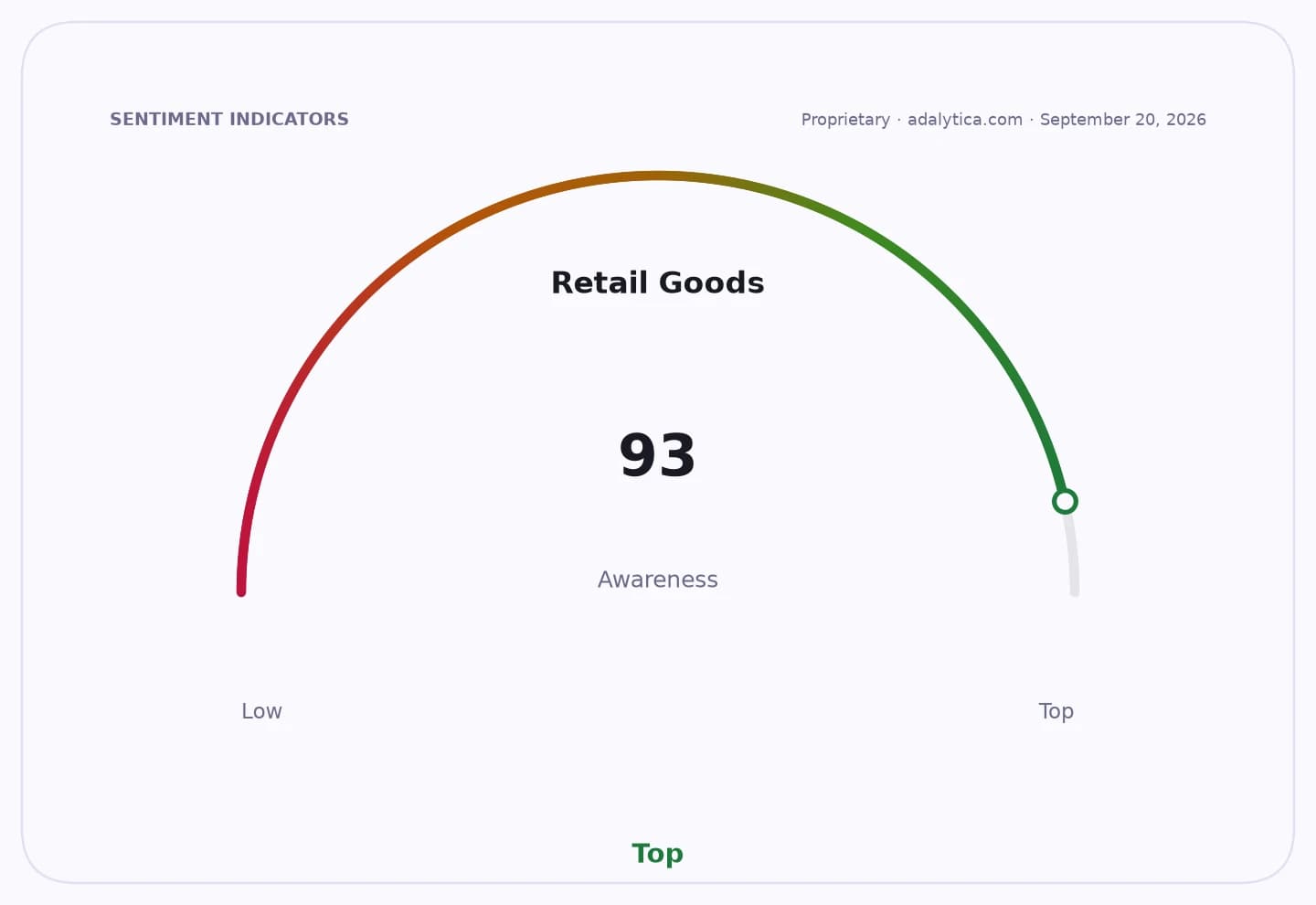
The move also fits a broader consumer pattern: shoppers are becoming more deliberate, hunting for value across essentials rather than trading up. Adalytica’s Retail Goods Spending Sentiment points to fear in the category even as awareness remains extreme, a sign that consumers are highly tuned to price and promotion. Amazon is clearly reading that shift and trying to intercept it before competitors do.
Amazon Fresh’s service in Madrid, Barcelona, Valencia, Sevilla, Zaragoza and Guadalajara already offers two-hour delivery windows seven days a week, same-day delivery in some cases and tools designed to make repeat purchasing easier. Those features matter because they turn grocery from a one-off transaction into a habit. Add Alexa+ recipe help and saved-buy functionality, and Amazon is building a higher-frequency shopping loop that could eventually pay off in market share.
The near-term winner is obvious: Amazon is buying relevance in a category that households notice every week. The bigger question for the market is which grocers can defend traffic and margins if Amazon keeps leaning on price. I believe this is the kind of quiet retail move investors underestimate at first and then chase later — a classic Amazon play where convenience, scale and pricing converge into a secular share-gain story.
| Entity | Gains | Losses |
|---|---|---|
| Amazon Fresh | ▲More grocery traffic | ▼Near-term margin pressure |
| Consumers | ▲Lower weekly basket costs | ▼Fewer pricing bargains elsewhere |
| Traditional grocers | ▲— | ▼Price pressure and share risk |
| Prime ecosystem | ▲Higher customer stickiness | ▼Greater fulfillment cost burden |