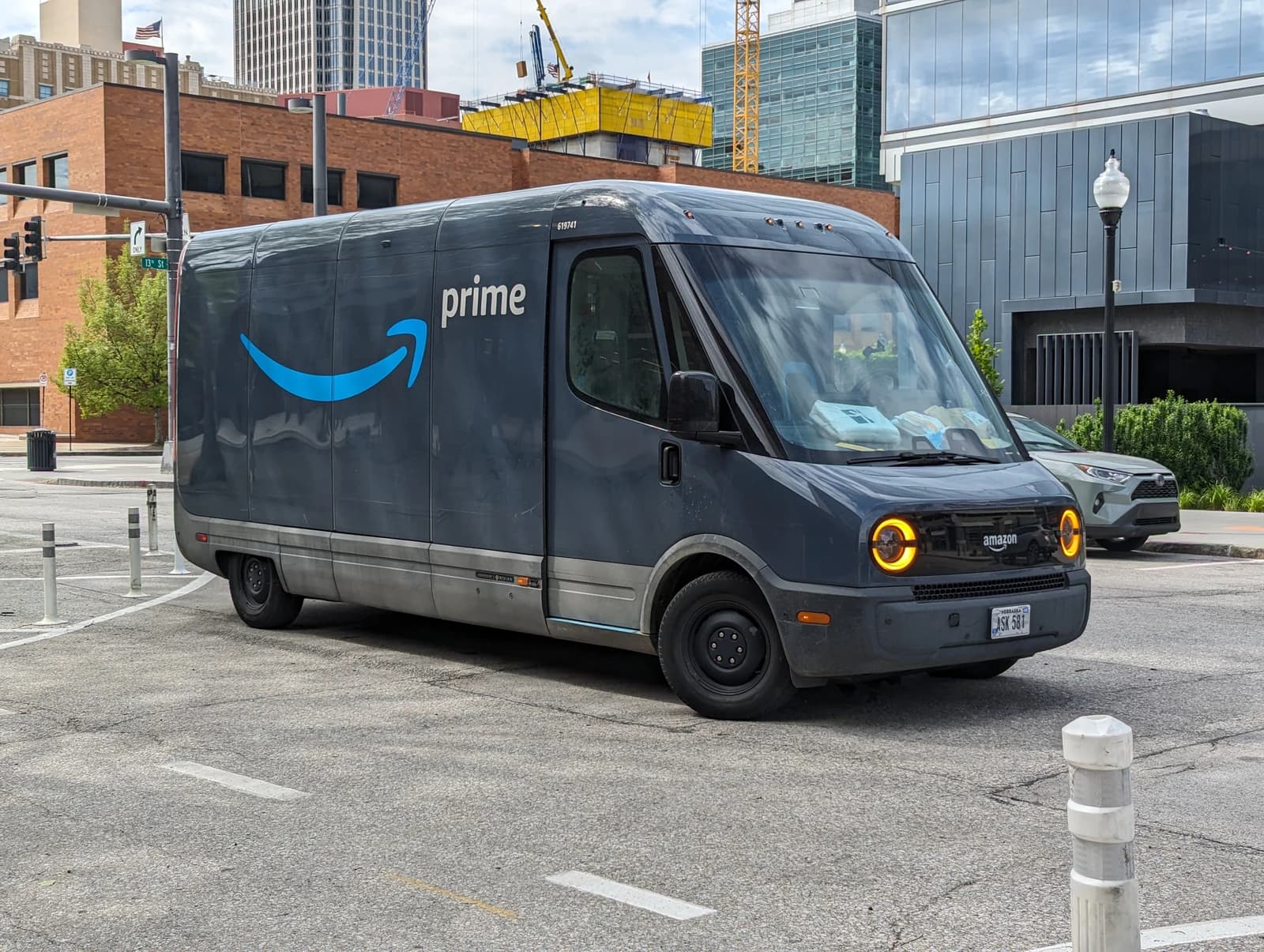
Amazon is accelerating a multibillion-dollar expansion of its U.S. delivery and fulfillment network, and Bank of America says the buildout should keep driving the stock higher even after a strong run.
Amazon delivery network expansion lifts AMZN outlook

Analyst Justin Post reaffirmed a Buy rating on Amazon with a $317 price target, about 23% above the Nov. 17 close of $257.89, after bringing in logistics researcher MWPVL International to stress-test the company’s capacity plans. The call matters because Amazon is moving from a shipping customer that relied on UPS and FedEx into a direct rival with a network that is still growing faster than many investors expected.
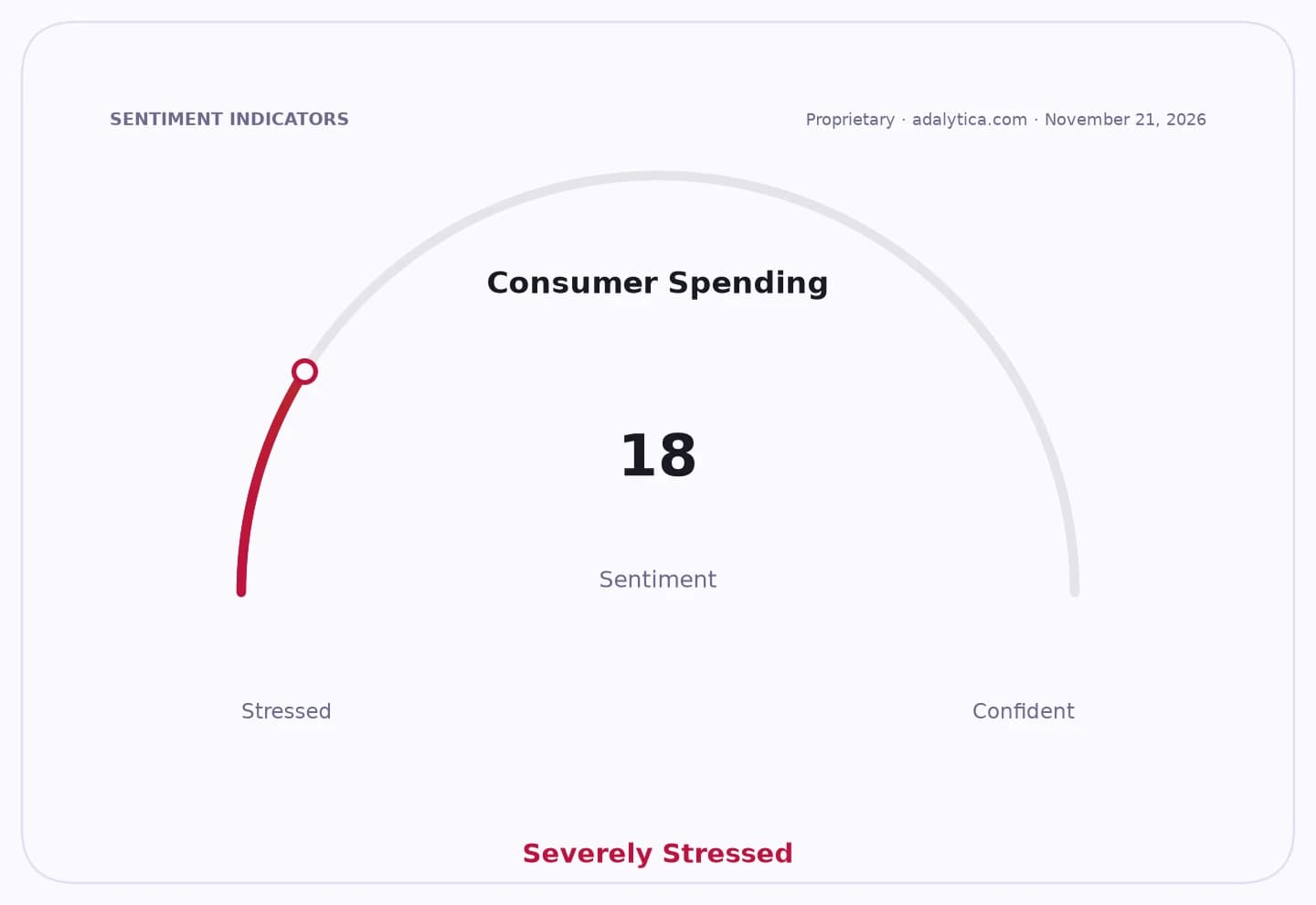
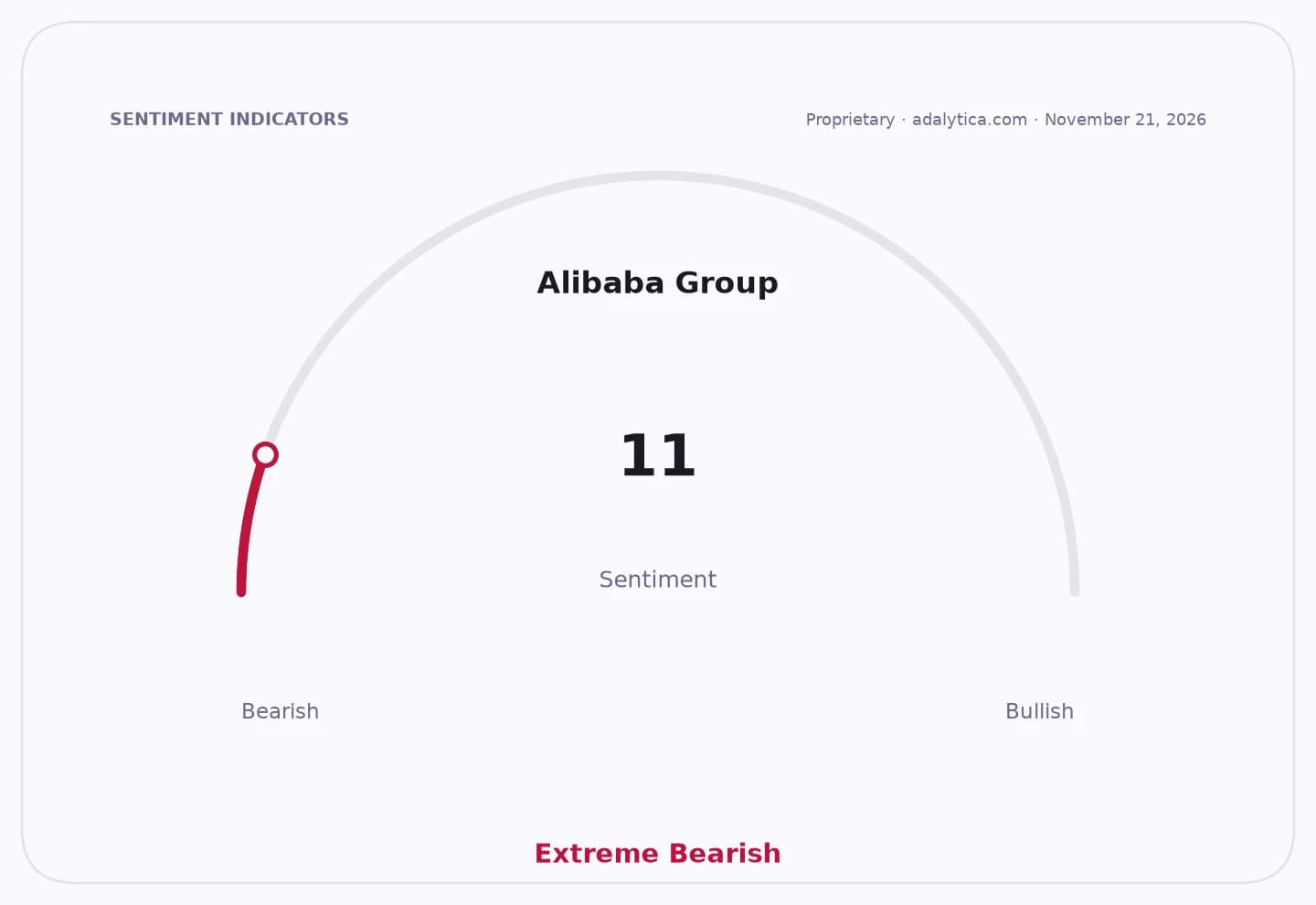
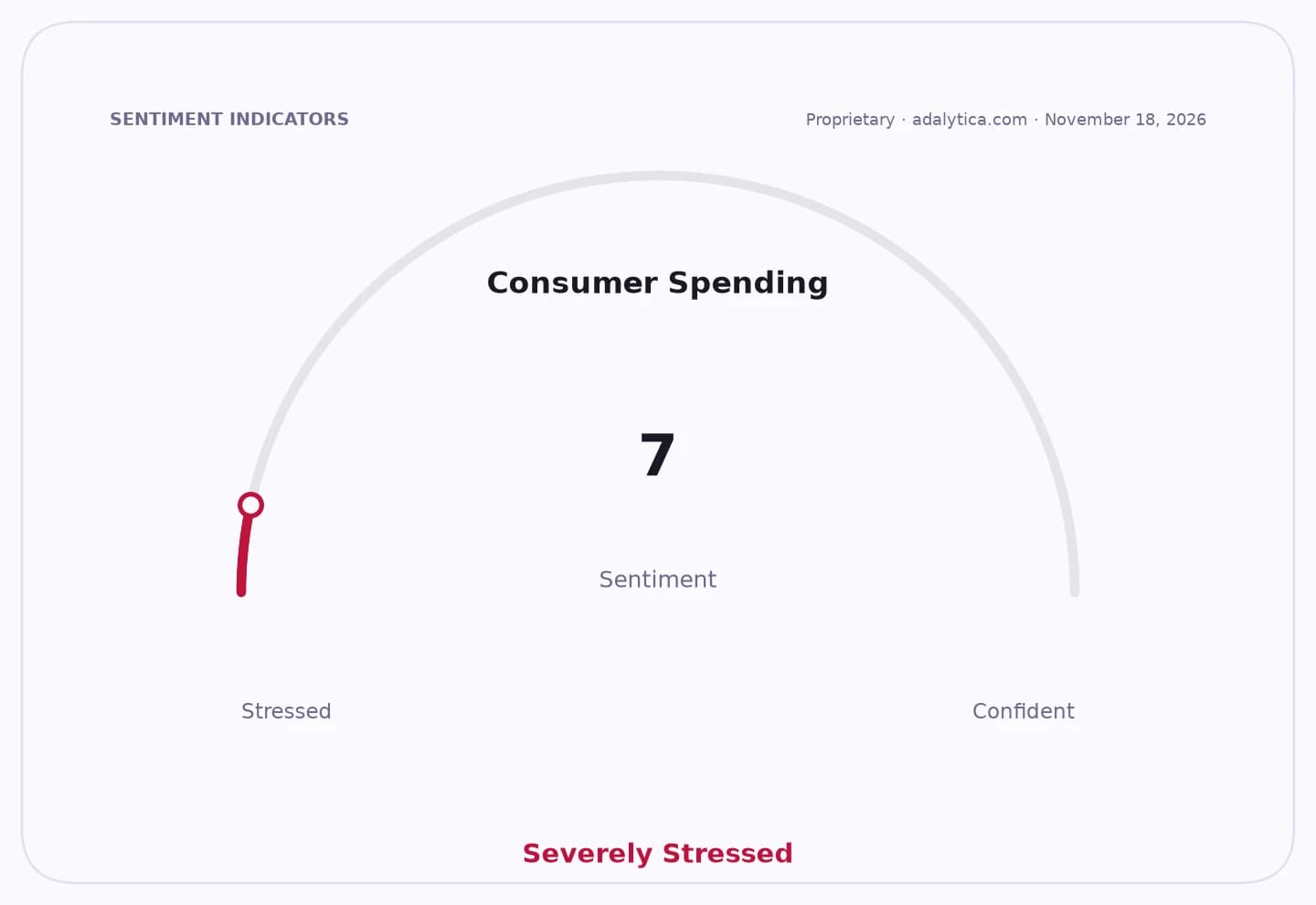
Sentiment Indicators
MWPVL expects Amazon to add about 91 million gross square feet of fulfillment and delivery space next year, up 38% from roughly 66 million square feet in 2026. Bank of America said the retailer’s supply-chain spending is running around $28 billion across 2026 and 2027, excluding maintenance and retrofits, with the figure potentially rising by another $10 billion on an annualized basis.
The expansion centers on small, sortable robotic fulfillment hubs, inbound cross-dock facilities and delivery stations. Amazon already operates 592 U.S. stations, and MWPVL sees that rising toward about 950 by 2030, while package volume is expected to reach roughly 8 billion in 2026 from 6 billion in 2024.
For investors, the key question is not whether Amazon can spend more, but whether that capex translates into lower per-package costs and more control over last-mile delivery. That is why the logistics view matters: if Amazon keeps pulling freight and parcel traffic into its own network, it can pressure third-party carriers and defend retail margins even as it pours money into cloud and AI infrastructure.
The timing also matters because Amazon’s retail logistics spend is small beside the company’s broader investment cycle. Post said the $28 billion supply-chain plan is modest relative to his estimate of $240 billion in AWS capital expenditure in 2027, underscoring how much cash flow Amazon may keep funneling into growth rather than buybacks or dividends.
UPS and FedEx remain exposed to the shift, especially after UPS said on its latest earnings call that volume from its largest customer declined. Amazon’s scale gives it leverage over parcel pricing and fulfillment economics, while forcing incumbents to defend routes and capacity in a slower-growth market.
Amazon shares were recently down 3.1% to $258.44 in one session referenced in market context, though the stock has still held well above its 200-day moving average of $244.91 and above the 50-day average of $255.12. UPS has also been volatile, with its shares slipping to $106.22 on Nov. 20 after trading as high as $112.64 earlier this month, while Bank of America stock has weakened to $47.04, well below its 200-day average of $54.38.
The next catalyst is whether Amazon confirms the pace of its network buildout in future disclosures and whether investors reward the capex with stronger delivery economics and sustained AWS growth. If the rollout stays on schedule, the biggest loser may be the traditional parcel carriers that once depended on Amazon volume.
| Entity | Gains | Losses |
|---|---|---|
| Amazon | ▲More control of delivery economics | ▼Higher near-term capex |
| UPS | ▲Fewer low-margin Amazon parcels replaced by better mix | ▼Lost volume and pricing power |
| FedEx | ▲Chance to defend premium service lanes | ▼Amazon-led share loss |
| Investors in AMZN | ▲Longer-term margin leverage story | ▼Near-term spending drag |