Alphabet is showing investors a simple but powerful lesson: the businesses that fund the AI race are increasingly the ones best positioned to profit from it. While Google Search still faces the risk that AI tools could siphon away some queries over time, the company’s cloud acceleration and growing demand for its tensor processing units, or TPUs, are giving the stock a second engine just as the market worries about disruption to its core ad franchise.
Alphabet Cloud Growth Offsets Search Risk
That matters because Alphabet is no longer a pure search story. The company’s latest filing pointed to centralized AI research and development at the Alphabet level, underscoring how deeply AI now runs through the business. At the same time, Google Cloud continues to scale on the back of enterprise AI demand, and the company has previously disclosed a cloud backlog measured in the hundreds of billions of dollars. For long-term investors, that means Alphabet is increasingly behaving like a critical AI infrastructure provider, not just an advertising platform.
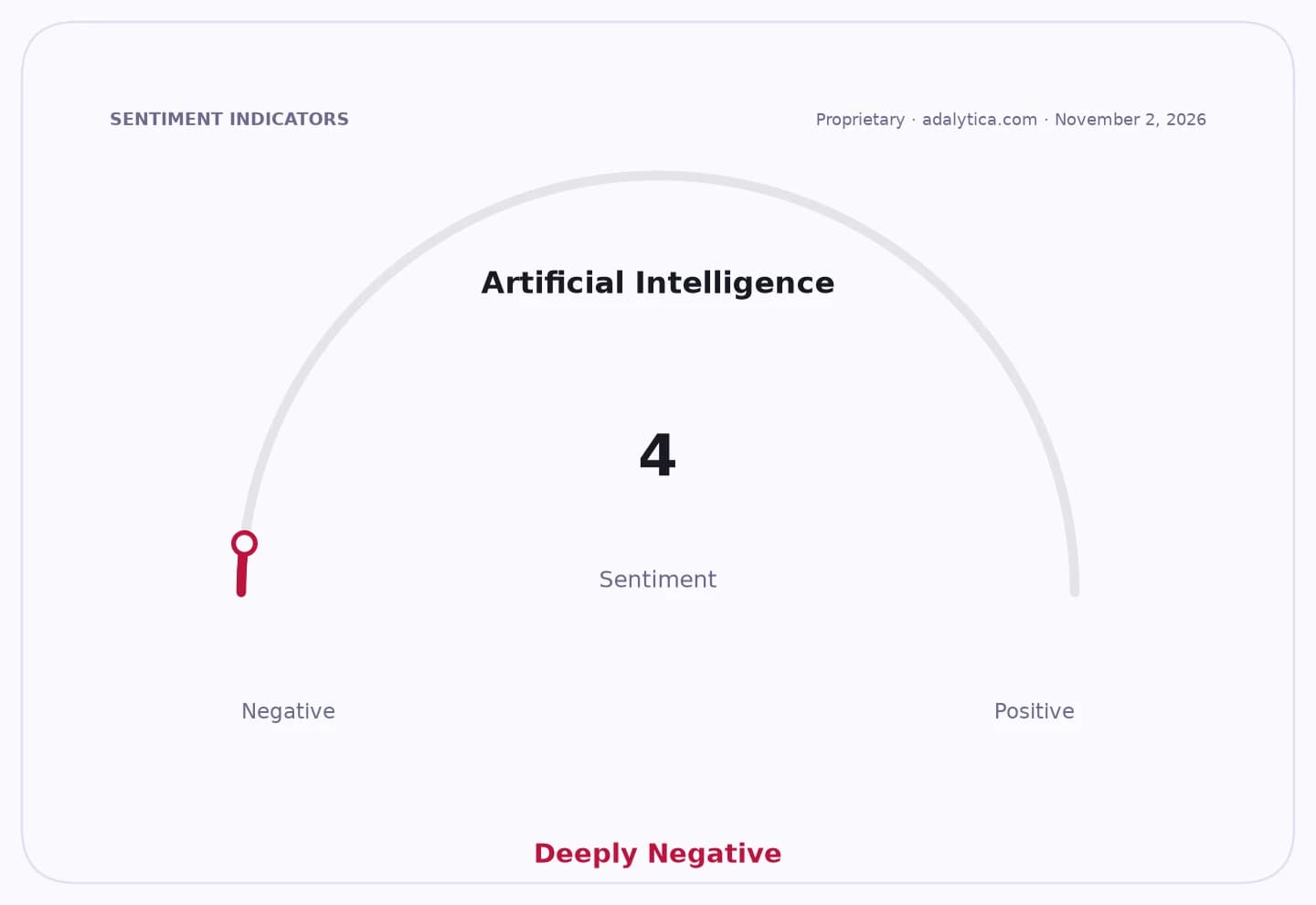
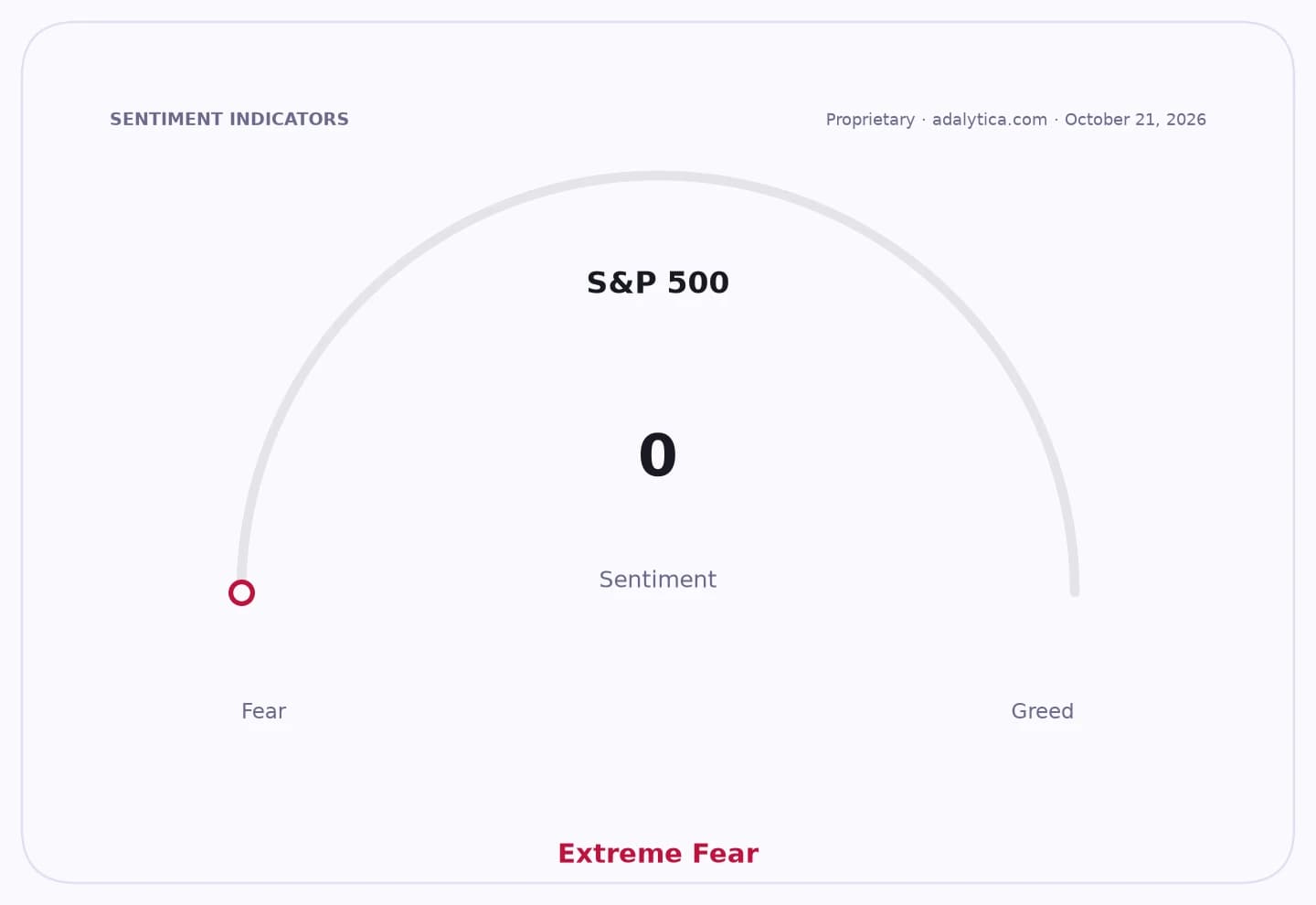
Sentiment Indicators
The market has already punished the shares for uncertainty around search cannibalization, and recent price action shows how quickly sentiment can swing. GOOGL has fallen to about $279.84 from above $382 in late May, while GOOG finished near $278.22 on Oct. 30. Technical readings also show both share classes trading below their 50-day and 200-day moving averages, with RSI readings deep in oversold territory. In plain English, investors have been discounting a lot of bad news, much of it tied to the fear that AI could weaken the search model before Alphabet’s newer businesses fully mature.
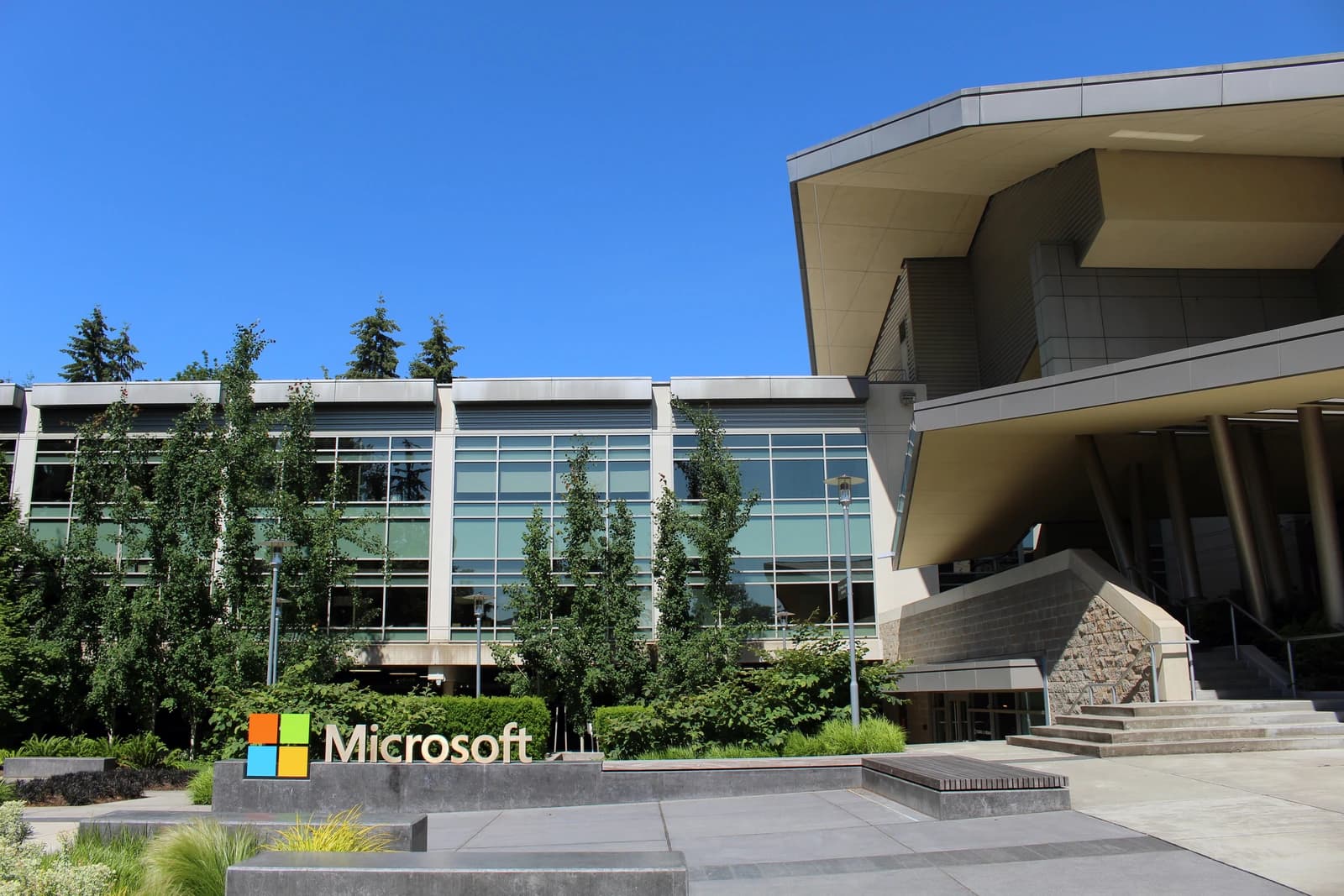
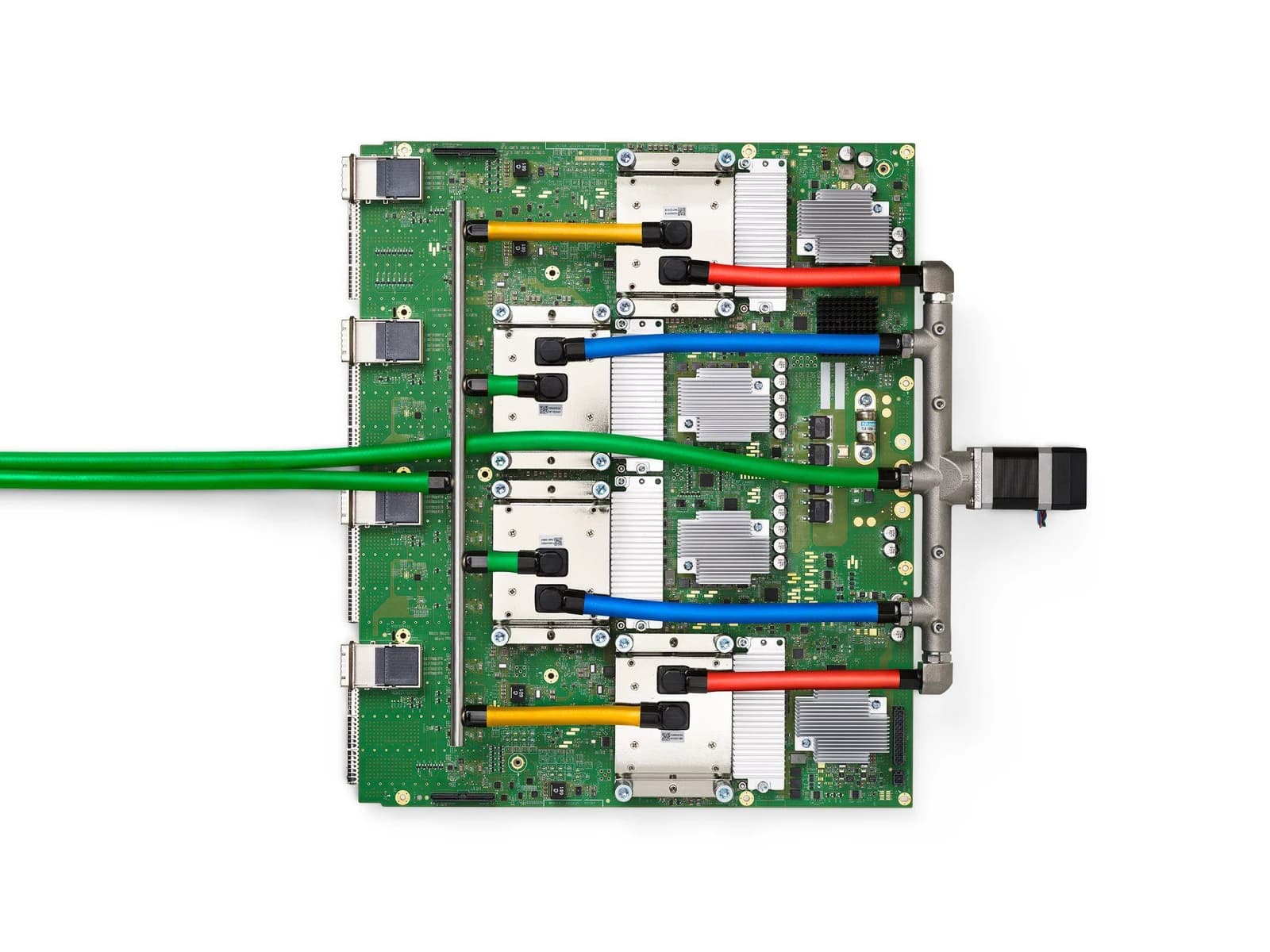
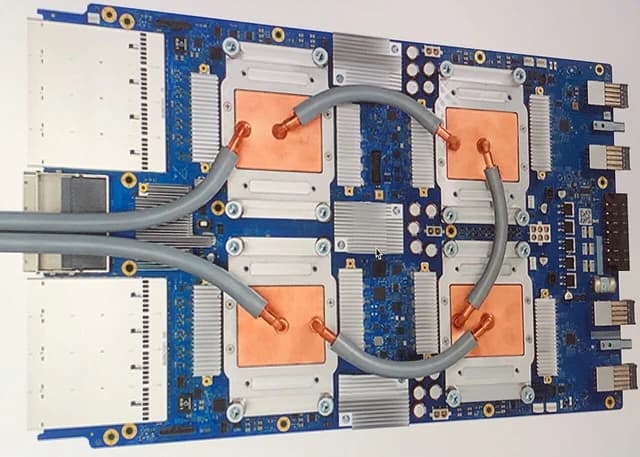
But that fear misses the bigger investment story. AI is not only a competitive threat to search; it is also a demand shock for cloud computing, chips and data-center capacity. Microsoft’s strong cloud growth and the broader scramble for AI infrastructure suggest that customers are still willing to pay up for compute, storage and model training. Alphabet’s TPUs give it a way to differentiate on performance and cost, which should help attract large customers that want alternatives to Nvidia-heavy architectures. If that strategy works, the payoff could be a more durable margin profile in cloud and a more diversified earnings base.
There are still risks. Alphabet is spending heavily to stay relevant in AI, and its filings warn that expanding investment in new businesses can hurt operating results. Search is still the profit center, and any faster-than-expected change in user behavior would matter. But for investors with a three- to five-year horizon, the right question is not whether AI changes Alphabet’s business. It is whether the company can monetize that change faster than it disrupts the old model.
Right now, the evidence says Alphabet is doing exactly that. Cloud growth, TPU adoption and a deep pipeline of enterprise demand are helping hedge the search risk that has weighed on the stock. For patient investors, that combination keeps Alphabet on the list of large-cap AI winners worth watching, and possibly buying on weakness.
| Entity | Gains | Losses |
|---|---|---|
| Alphabet cloud and TPU business | ▲Faster revenue growth | ▼Lower near-term margins from heavy investment |
| Long-term Alphabet shareholders | ▲Diversified AI monetization | ▼Ongoing search disruption risk |
| Enterprise AI customers | ▲More cloud and chip options | ▼Less dependence on low-cost legacy search tools |
| Short-term bears on GOOG/GOOGL | ▲Volatility to trade | ▼Thesis weakens if cloud keeps compounding |