Al Barid Bank is moving to widen its reach into Morocco’s informal economy, partnering with delivery platform MAROAPP to bring banking services to couriers, order pickers and self-employed workers who often operate outside the formal financial system.
Al Barid Bank partners with MAROAPP in Morocco
The deal matters because financial inclusion in Morocco is less a social slogan than a balance-sheet opportunity: the delivery and gig-work segment is growing, but many workers still rely on cash and have limited access to accounts, savings tools and credit. By linking a state-backed inclusion lender with a last-mile operator, the agreement creates a lower-friction channel to convert a hard-to-serve workforce into depositors and, eventually, borrowers.
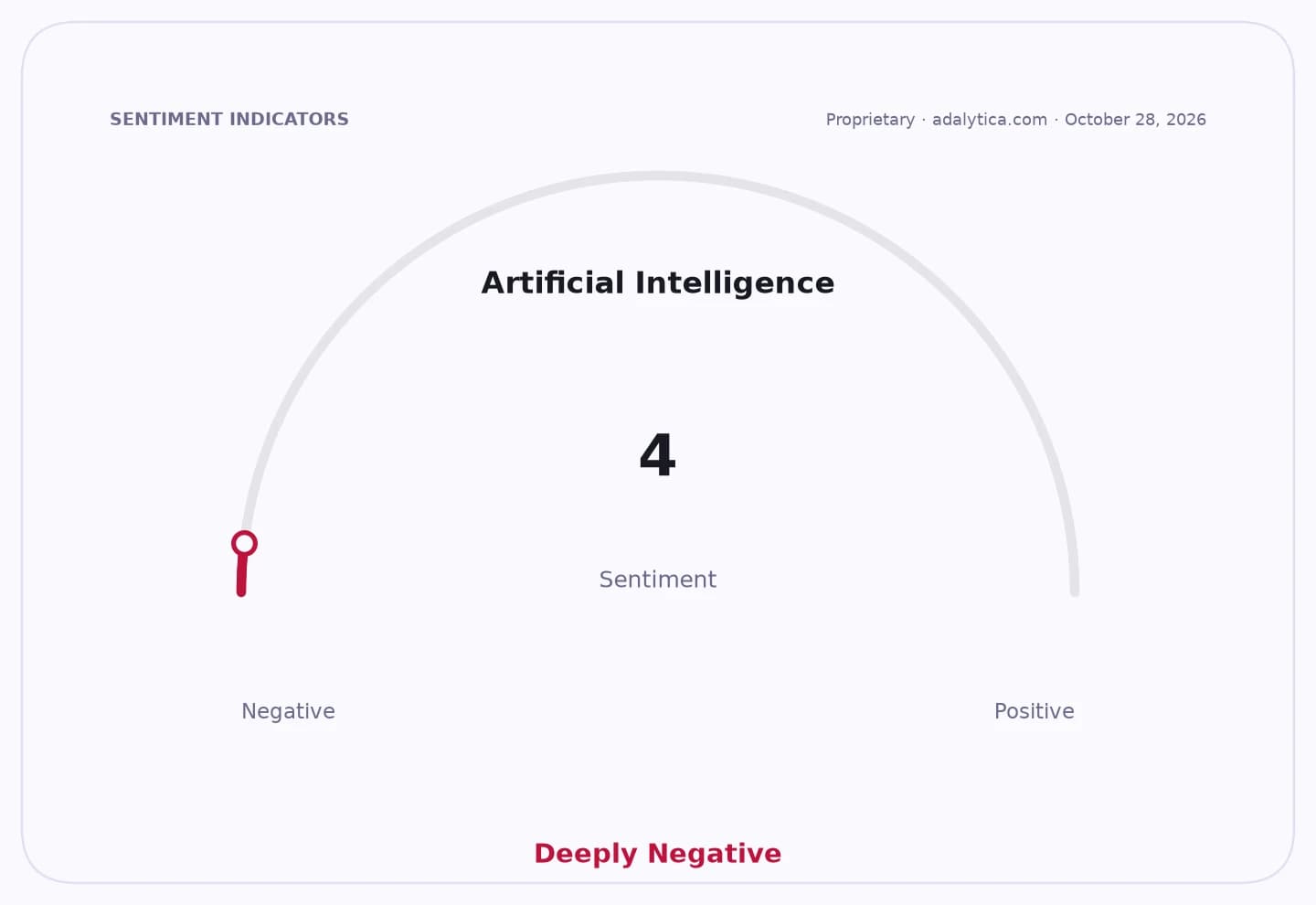
Sentiment Indicators
For Al Barid Bank, the partnership fits a long-standing mandate to broaden access to banking. The lender said the initiative is designed to bring financial services closer to professionals in delivery and logistics, with products tailored to their specific needs. For MAROAPP, which operates Kaalix, Livry and Livry Santé, the pact also serves as a workforce retention and reputation play, offering independent contractors a practical benefit beyond the work itself.
The economic logic is straightforward. Self-employed workers often have volatile incomes, irregular documentation and weak banking relationships, all of which limit their participation in the formal economy. That can suppress consumption smoothing, reduce savings and make it harder for small operators to build credit histories. A partnership that lowers those barriers can, over time, improve transaction visibility and widen access to payment rails and financial products.
For investors, the direct read-through is not a near-term earnings catalyst so much as a structural one. Financial inclusion partnerships can help banks deepen low-cost deposit franchises, expand fee income and improve cross-selling opportunities, while also positioning them better with regulators and public policy goals. The upside depends on whether Al Barid Bank can translate access into active usage; the bear case is that these initiatives generate publicity without materially changing customer behavior or profitability.
The broader narrative is that Morocco’s service economy is formalizing at the edges, and banks are increasingly competing to capture workers where they already earn income rather than where they happen to live or transact. If the model scales, it could become a template for reaching other segments of the informal labor force, especially in urban delivery, logistics and gig services.
For now, the agreement is a modest but telling step: it reinforces Al Barid Bank’s inclusion strategy while giving MAROAPP a financial infrastructure partner that may help stabilize and professionalize a key part of its operating model.
| Entity | Gains | Losses |
|---|---|---|
| Al Barid Bank | ▲New retail deposits | ▼Higher onboarding costs |
| MAROAPP | ▲Better worker retention | ▼Added program complexity |
| Self-employed workers | ▲Easier banking access | ▼More formal oversight |
| Informal cash economy | ▲Less reliance on cash | ▼Reduced transaction opacity |