Travel investors have been handed a reminder that the real opportunity in artificial intelligence may not be the chatbot itself, but the industries it helps reshape — and one of the most underappreciated is tourism in emerging markets.
Airbnb, Booking, Expedia and AI in emerging markets
Artificial Intelligence
That is where the long-term return story is likely to compound fastest. Global travel is still being pulled toward digital booking, personalized search and automated customer service, while emerging markets remain a growth engine that is attracting more competitors, not fewer. For investors, that combination matters because it can widen the addressable market for the biggest platforms while also creating a new race to capture travelers earlier, more efficiently and more directly.
Sentiment Indicators
Expedia has said emerging markets remain an attractive growth opportunity, even as they draw competition from online travel rivals. Booking has also flagged the power of technology and marketing efficiency in driving returns, while noting that its business depends on maintaining strong performance-marketing economics. Those are the right fault lines to watch: in travel, AI is less about replacing demand and more about lowering the cost of finding, converting and serving it.
The market is already rewarding the scale leaders that can turn those advantages into cash flow. Airbnb, Booking and Expedia all trade well above where they were earlier in the year, even after a pullback in late October and early November, showing investors still view online travel as a structural winner rather than a cyclical trade. Airbnb last changed hands at $171.11, Booking at $153.75 and Expedia at $298.99, according to the supplied price data. Each has also held above its 200-day moving average, a conventional technical sign that the longer-term trend remains intact.
What ties these names together is not just travel demand, but the way AI could deepen customer relationships in markets that are still underpenetrated. In emerging economies, the traveler often shops differently, books later, uses mobile first and responds strongly to price and relevance. That is exactly the kind of environment where AI-powered search, recommendation engines and automated support can improve conversion and reduce the cost of sales. Over time, that should favor the platforms with the richest data, strongest brands and most efficient distribution.
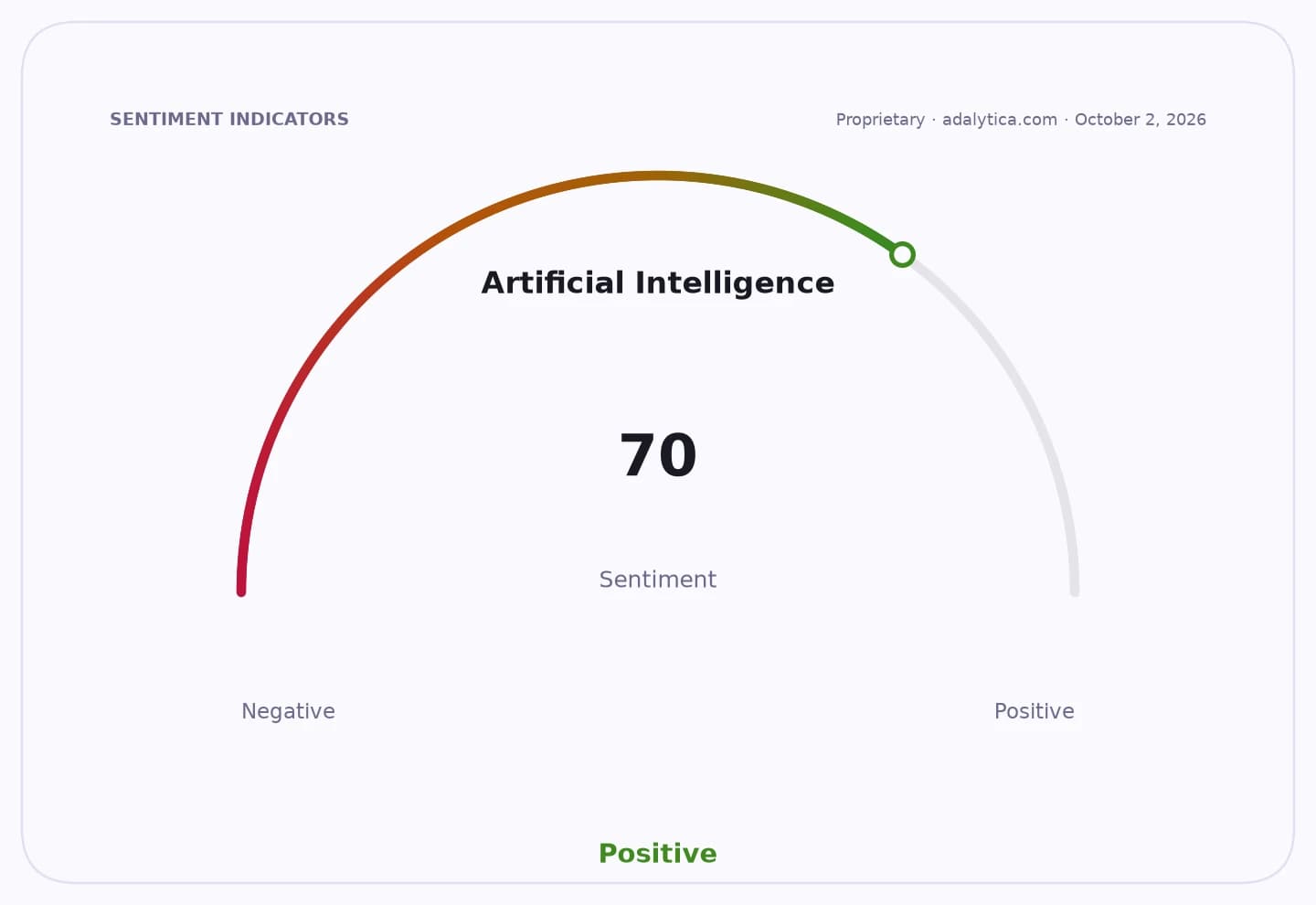
The broader backdrop is supportive as well. Adalytica’s proprietary AI sentiment gauge shows “Extreme Fear” in the AI complex, even as the S&P 500’s trade signals sit at neutral sentiment with elevated awareness. That kind of disconnect often creates better long-term entry points for investors willing to think in years, not weeks. When sentiment is this depressed, the market is usually discounting risk faster than it is pricing in adoption.
There are risks, of course. Online travel is fiercely competitive, and the same AI tools that help Booking, Expedia and Airbnb can also help rivals. Emerging markets bring currency risk, uneven regulation and lower average spend than mature economies. But investors do not need a straight line to win here. They need durable growth, strong unit economics and businesses that can turn each incremental booking into more profit over time.
For long-term investors, that is the real thesis: AI is not just a technology story, and tourism is not just a reopening story. Put together, they form a scalable, global growth engine that may reward patient shareholders for years. Worth watching — and for diversified investors, worth keeping on the watchlist.
| Entity | Gains | Losses |
|---|---|---|
| Airbnb, Booking, Expedia | ▲More efficient bookings | ▼Smaller rivals |
| Emerging-market travelers | ▲Better search and service | ▼Legacy travel agents |
| Large online travel platforms | ▲Stronger data advantage | ▼Price-only competitors |
| AI investors with patience | ▲Long runway for adoption | ▼Traders chasing momentum |