Agile Robots has raised $500 million from SoftBank, Nvidia and Hitachi in a Series F round that values the German robotics company at $8.5 billion, a vote of confidence in the still-unproven market for humanoid machines built for industrial work.
Agile Robots raises $500 million at $8.5 billion valuation
The financing matters because it shows capital is flowing beyond demos and research labs toward so-called physical AI — robots that can perceive, plan and act in messy real-world settings. For manufacturers, logistics operators and healthcare systems, that could eventually mean more automation in environments where software alone cannot replace labor. For investors, the round signals that major strategic backers believe the commercial race is shifting from prototype capability to deployment scale, even though the economics remain uncertain.
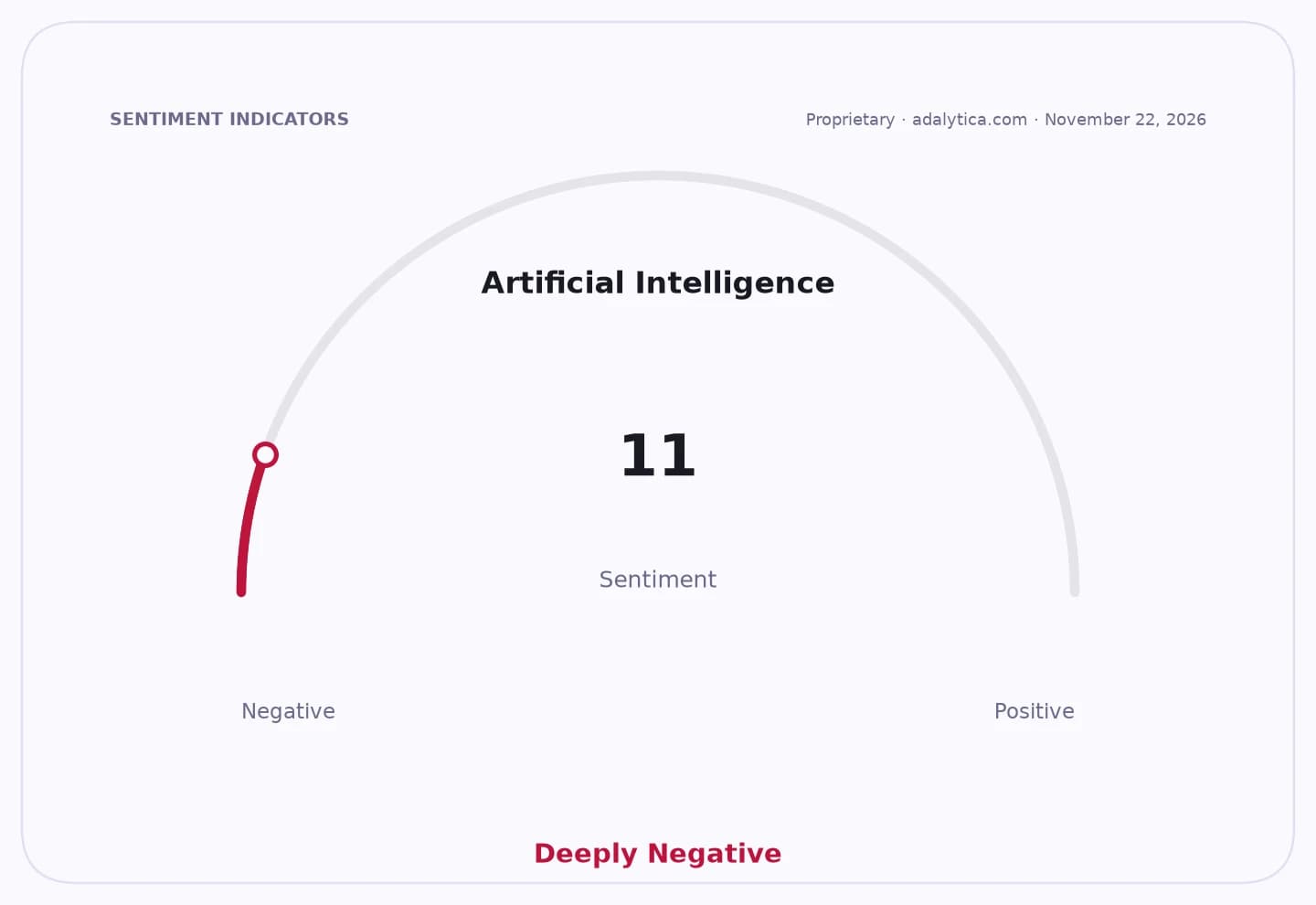
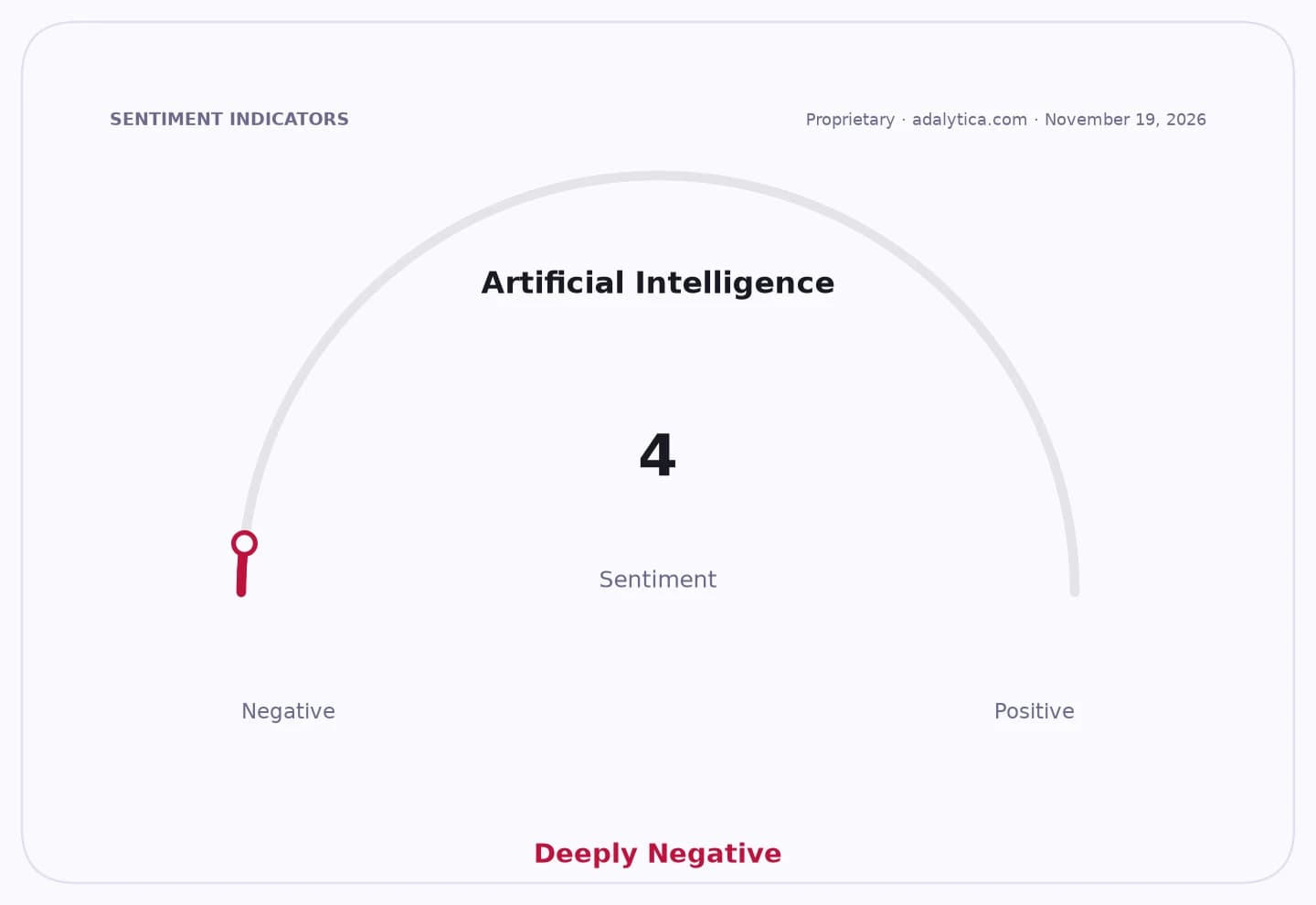
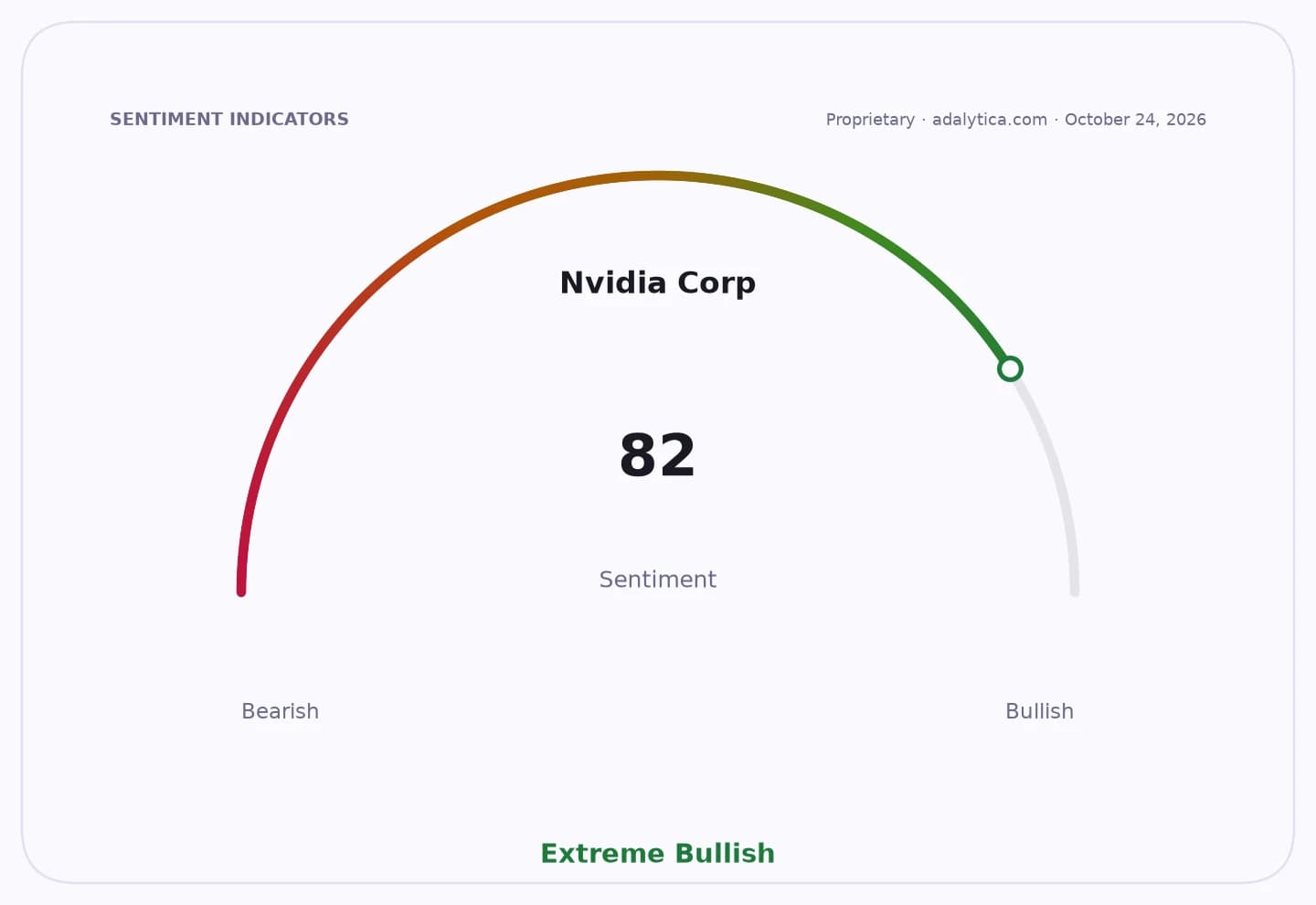
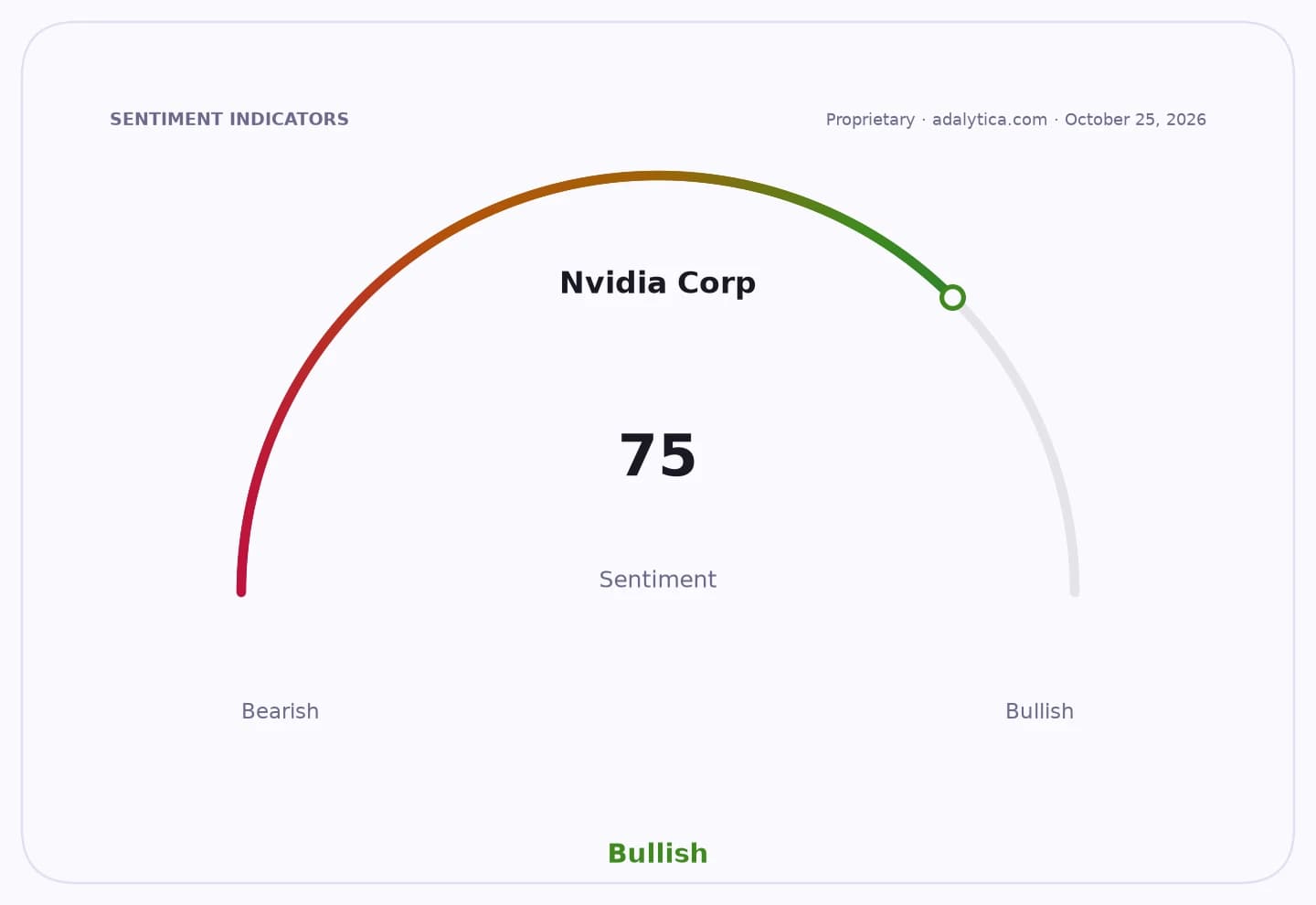
Sentiment Indicators
Founded in Munich in 2018 and rooted in Germany’s aerospace research ecosystem, Agile Robots says more than 20,000 of its robotic systems have been deployed globally across automotive, consumer electronics, logistics, healthcare and services. Its pitch is distinct in a crowded sector: it is not building humanoid robots mainly for exhibition or branding, but for practical use in factories, warehouses and other industrial settings where repeatable tasks can be automated.
The company plans to use the new capital to expand in the United States, increase production capacity in Germany and enter new markets. Earlier this year it opened a manufacturing site near Munich with a designed annual capacity of up to 10,000 humanoid robots on wheels and legs, underscoring that it is preparing for industrial rather than purely experimental demand. It now has more than 3,500 employees, including over 2,000 in research and development, and holds more than 650 patents.
The backing from SoftBank, Nvidia and Hitachi is strategically significant. SoftBank has long positioned itself around robotics and AI infrastructure, Nvidia is central to the hardware stack that powers advanced AI systems, and Hitachi brings industrial and manufacturing credibility. Their participation suggests humanoid robotics is increasingly being framed as an ecosystem bet, not just a single-company technology story.
Still, the valuation also highlights the gap between market enthusiasm and commercial proof. Humanoid robots remain expensive to build, maintain and secure, and their performance can deteriorate quickly outside controlled demonstrations. Reliability, safety and uptime are more important than novelty if these systems are to earn a place on factory floors. The hard part is not making a robot that can move; it is making one that can work profitably, continuously and safely alongside humans.
That tension is what makes this funding round important for the broader sector. A wave of investment is building around physical AI, with companies and governments pushing for more automation and greater industrial resilience. But the next stage of the trade will depend on whether robotics firms can translate large raises and headline valuations into durable revenue, repeatable deployments and margins that justify the capital being poured into the field.
| Entity | Gains | Losses |
|---|---|---|
| Agile Robots | ▲Capital for expansion | ▼Pressure to prove unit economics |
| SoftBank/Nvidia/Hitachi | ▲Exposure to robotics upside | ▼Risk of long commercialization cycle |
| Industrial customers | ▲Potential labor substitution | ▼Integration and safety costs |
| Humanoid robotics rivals | ▲Sector validation | ▼Harder funding race ahead |