Africa’s push to turn homegrown development experiments into regional policy tools is gaining urgency as hunger, climate stress and food-price shocks continue to strain the continent’s economies.
Africa scales local food policy models
The immediate significance of the United Nations Day for South-South Cooperation is not ceremonial. It is that Africa is increasingly trying to solve some of its most expensive and persistent problems — food insecurity, child malnutrition and fragile rural incomes — by scaling policies that have already worked elsewhere on the continent rather than waiting for external blueprints.
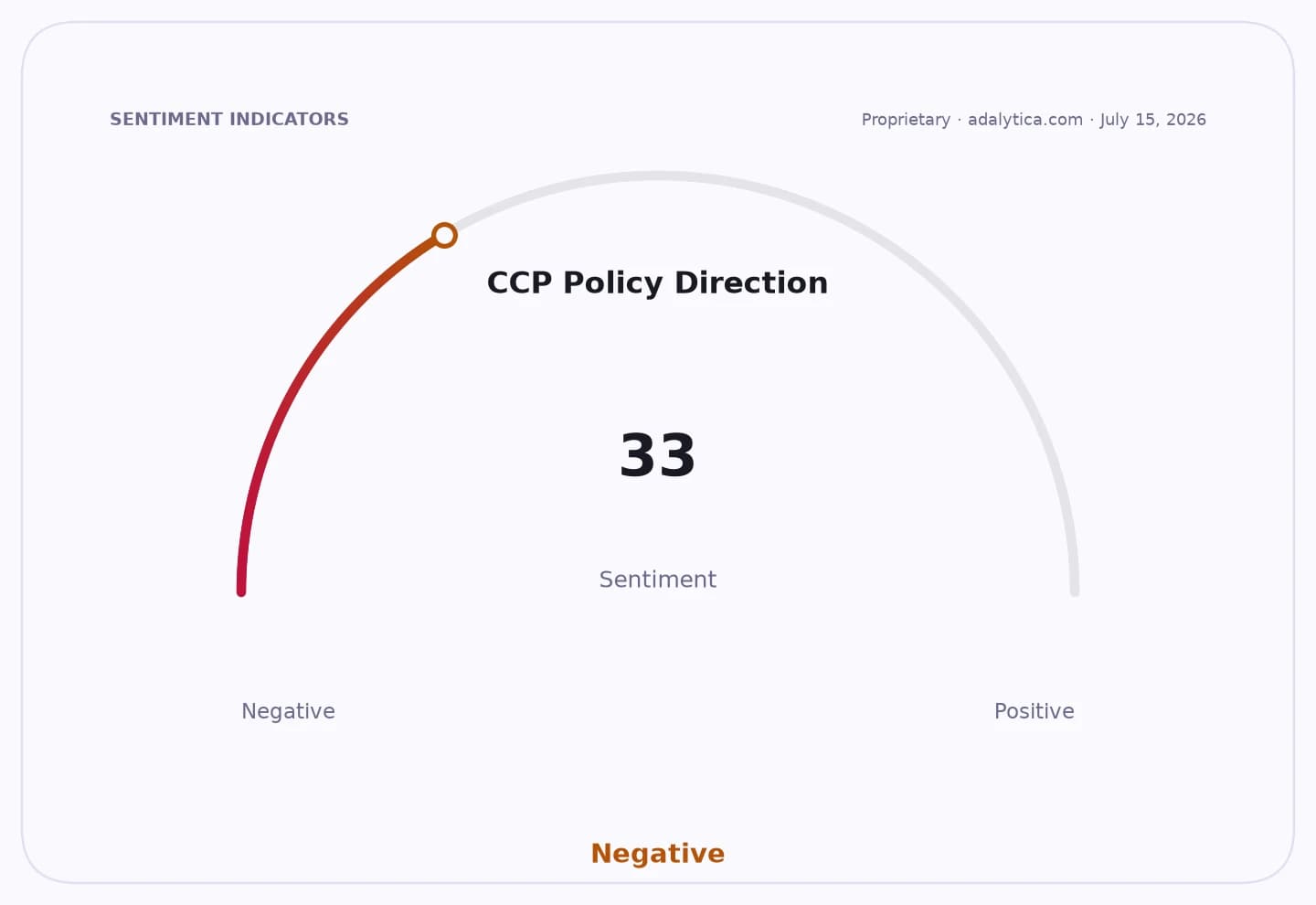
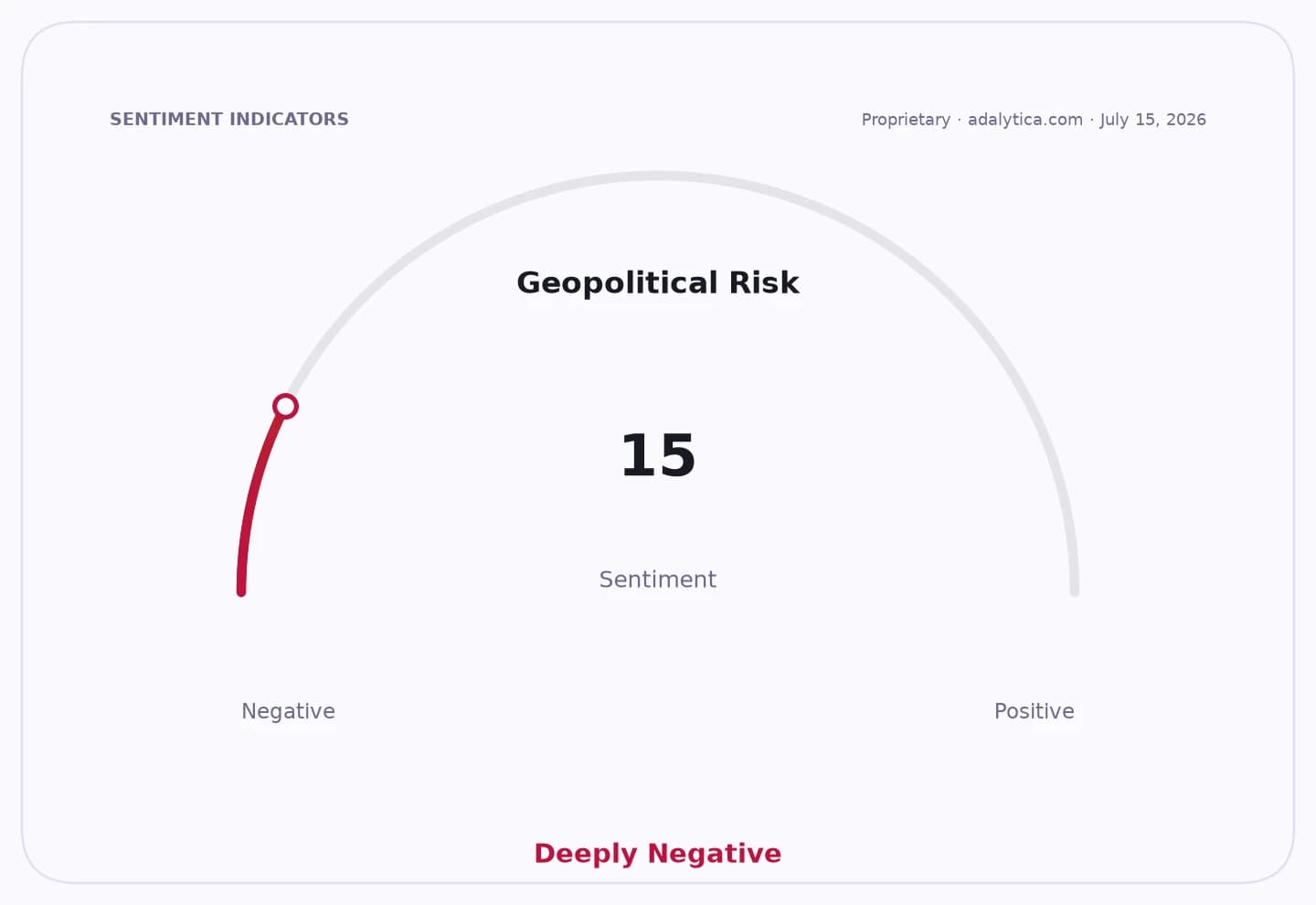
Sentiment IndicatorsⓘProprietary · adalytica.com · September 23, 2026
This is a snapshot — live sentiment, awareness and momentum for 130+ markets update continuously in the dashboard.Open AlphaPulse
That matters economically because the costs of inaction are already visible in the numbers. According to the cited 2026 State of Food Security and Nutrition report, nearly 309 million people in Africa faced hunger in 2025, while 56.6% of the population lived with moderate or severe food insecurity. Stunting has eased from 34% in 2012 to 30% in 2024, but progress remains uneven, and anaemia among women of reproductive age rose to 35.9% in 2023. Those are not just social indicators; they are measures of lost productivity, weaker labour force participation and higher fiscal pressure on governments forced to fund emergency food support.
The narrative emerging from Abidjan is that Africa’s development bottleneck is shifting from idea generation to implementation and transfer. The Regional Centre of Excellence against Hunger and Malnutrition, or CERFAM, is positioning itself as the conduit. Rather than inventing new programmes from scratch, it is identifying, documenting and spreading models that already have evidence behind them, then helping governments adapt them to local conditions.
The examples cited are telling. Zambia’s hydroponic systems for school meals are being deployed in several dozen schools to produce fresh vegetables in resource-constrained settings, giving children more nutritious diets while reducing reliance on volatile supply chains. That model was studied by Libyan officials in 2022. Benin’s school feeding programme, built around local procurement and community participation, has become a reference point for Burundi and other countries seeking to tie nutrition policy to rural demand and farm incomes. Côte d’Ivoire, through CERFAM, has become a regional hub for visits, missions and technical exchanges, reinforcing its role as an institutional exporter of policy know-how.
For investors and policymakers, the implication is broader than food systems. South-South cooperation is becoming a practical development-finance story: countries that can demonstrate working models in agriculture, nutrition or social protection may gain influence, institutional relevance and access to more technical partnership funding. That can support demand for logistics, agri-processing, digital public-service platforms and locally sourced school-feeding supply chains, even if the gains are gradual rather than market-moving in the short term.
The story also fits a wider African trade and integration backdrop, where governments are trying to deepen intra-regional commerce and reduce dependence on imported solutions. The new Global Alliance for South-South and Triangular Cooperation underscores that push by linking countries with needs to those with expertise and technical support. In that sense, the policy objective is the same as in trade integration: lower friction, more knowledge transfer and stronger regional resilience.
For markets, the near-term read-through is limited, but the medium-term message is important. If African governments succeed in scaling proven local models, it could improve social stability, support domestic consumption and reduce exposure to food inflation — all positive for sovereign risk, public finances and consumer-facing businesses. The bear case is that documentation and study visits do not automatically translate into execution, especially where budgets are tight and climate shocks intensify. The real test, as CERFAM’s 2026-2028 plan suggests, will be whether these networks can turn scattered successes into repeatable policy across multiple countries.
| Entity | Gains | Losses |
|---|---|---|
| CERFAM and Côte d’Ivoire | ▲Regional policy influence | ▼Isolation of local know-how |
| African governments | ▲Lower-cost solutions | ▼Reliance on imported templates |
| Small farmers and school suppliers | ▲New procurement demand | ▼Continued exclusion |
| Children and vulnerable households | ▲Better nutrition access | ▼Food insecurity and inflation |