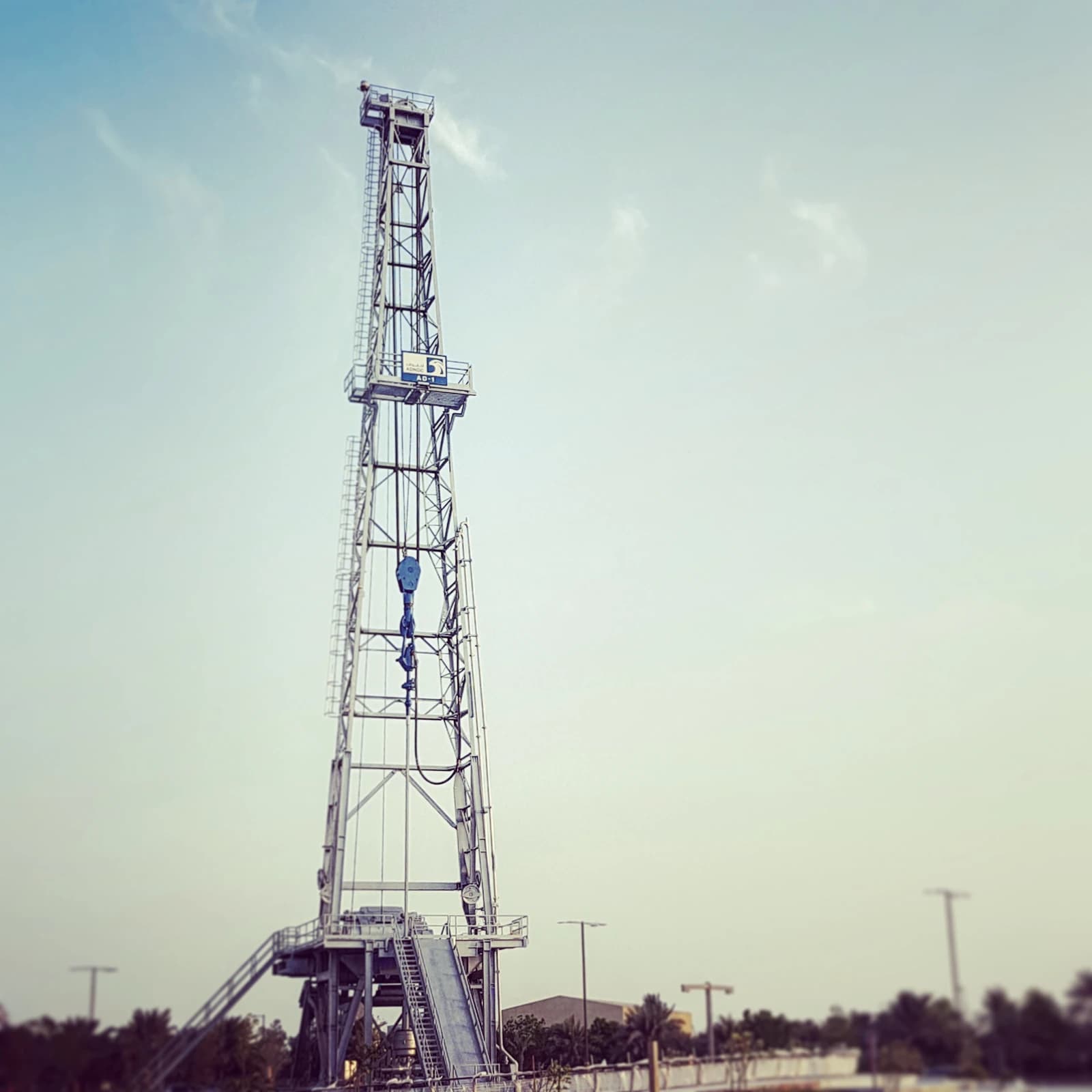
ADNOC has taken final investment decision on the Ruwais Diyab unconventional gas development, a long-dated project that will add 345 million standard cubic feet a day of raw gas from 2029 and underscores the UAE’s push to turn more of its hydrocarbon base into industrial growth.
ADNOC approves Ruwais Diyab gas project
The decision matters because it converts a strategic resource plan into committed capital spending at a time when gas remains central to power generation, petrochemicals and LNG supply. For the UAE, the project strengthens domestic energy security, supports feedstock supply for industry and reduces exposure to imported gas or tighter regional markets. It also signals that ADNOC is willing to invest through the current volatility in oil and gas markets rather than wait for a clearer price cycle.
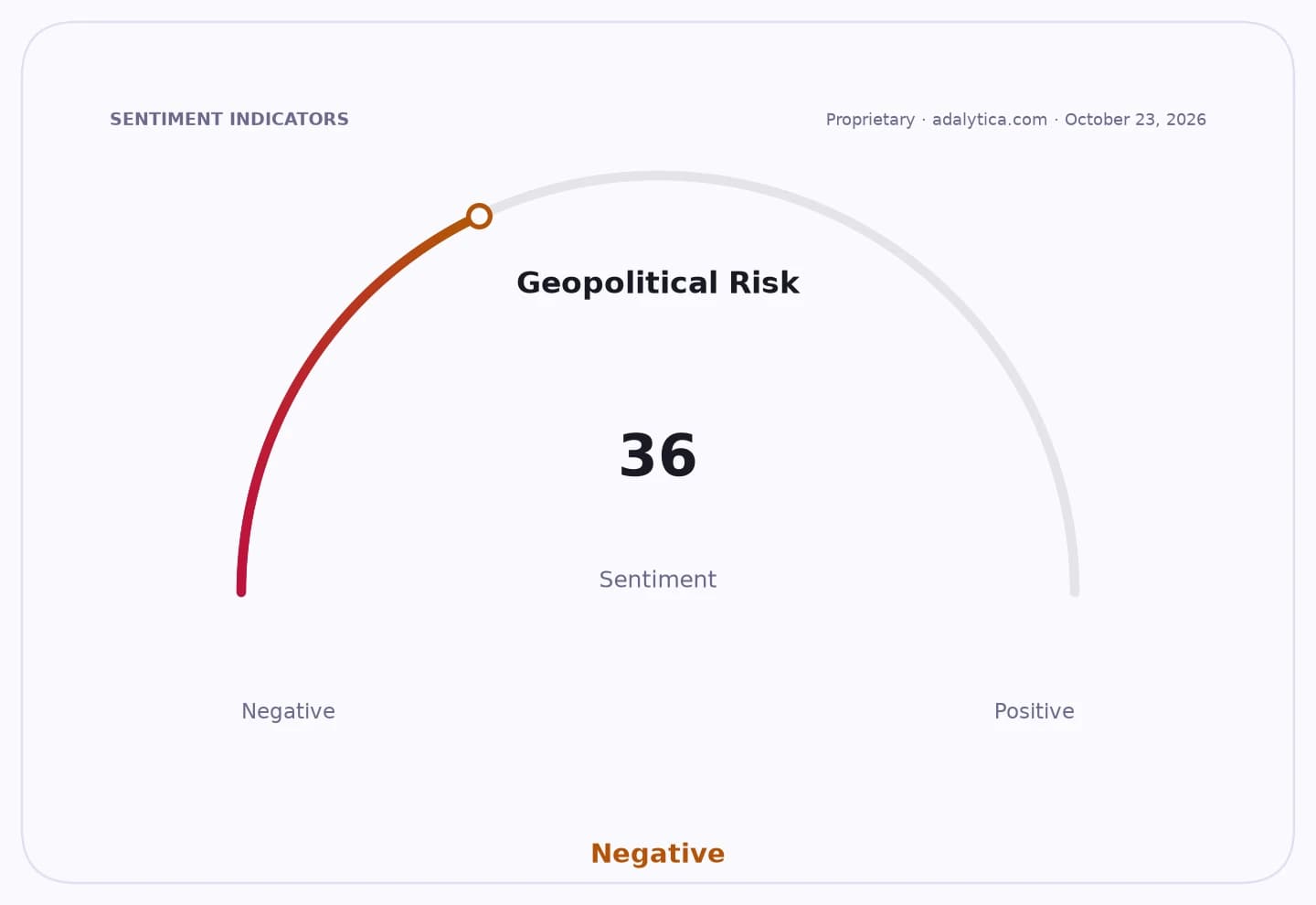
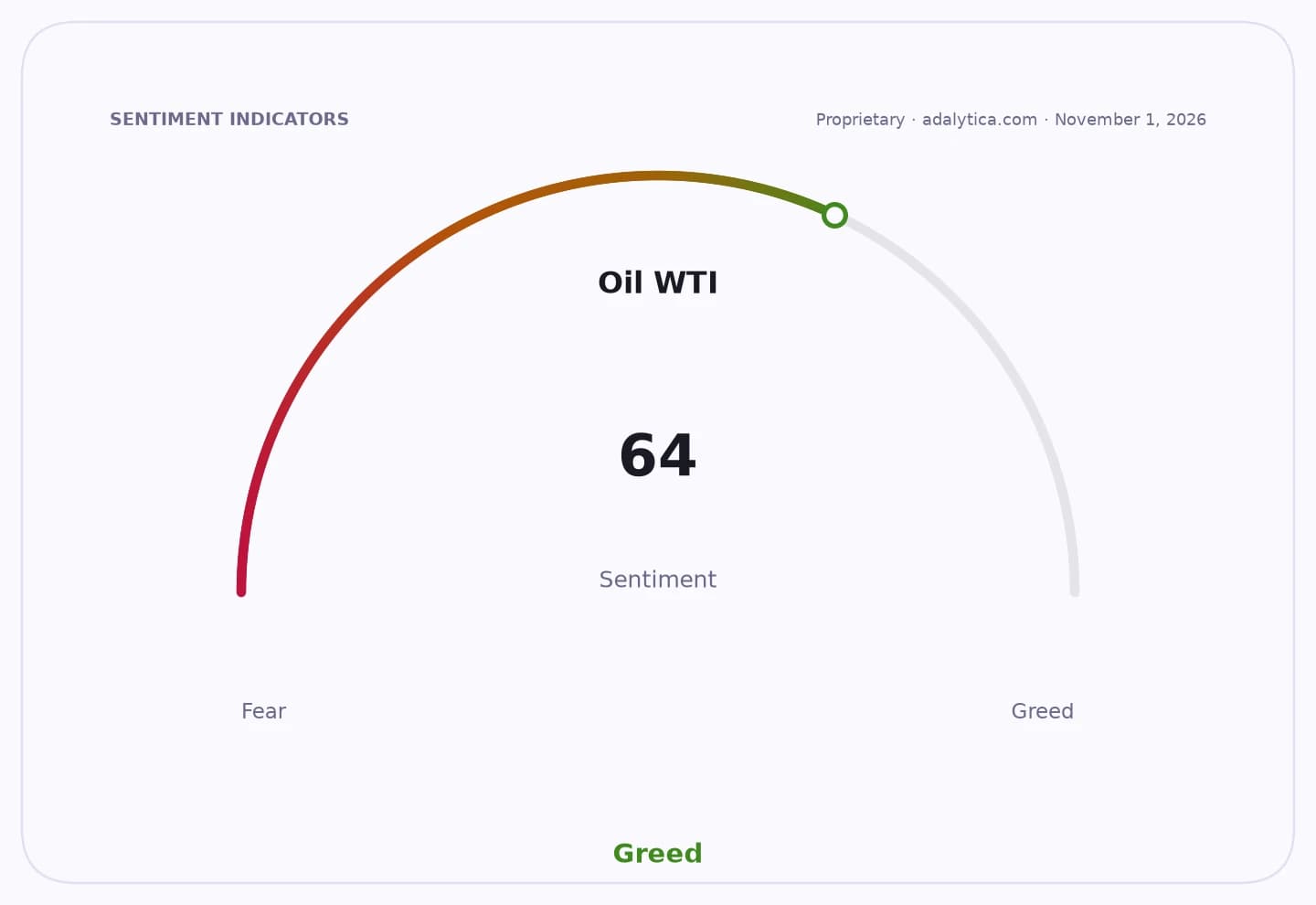
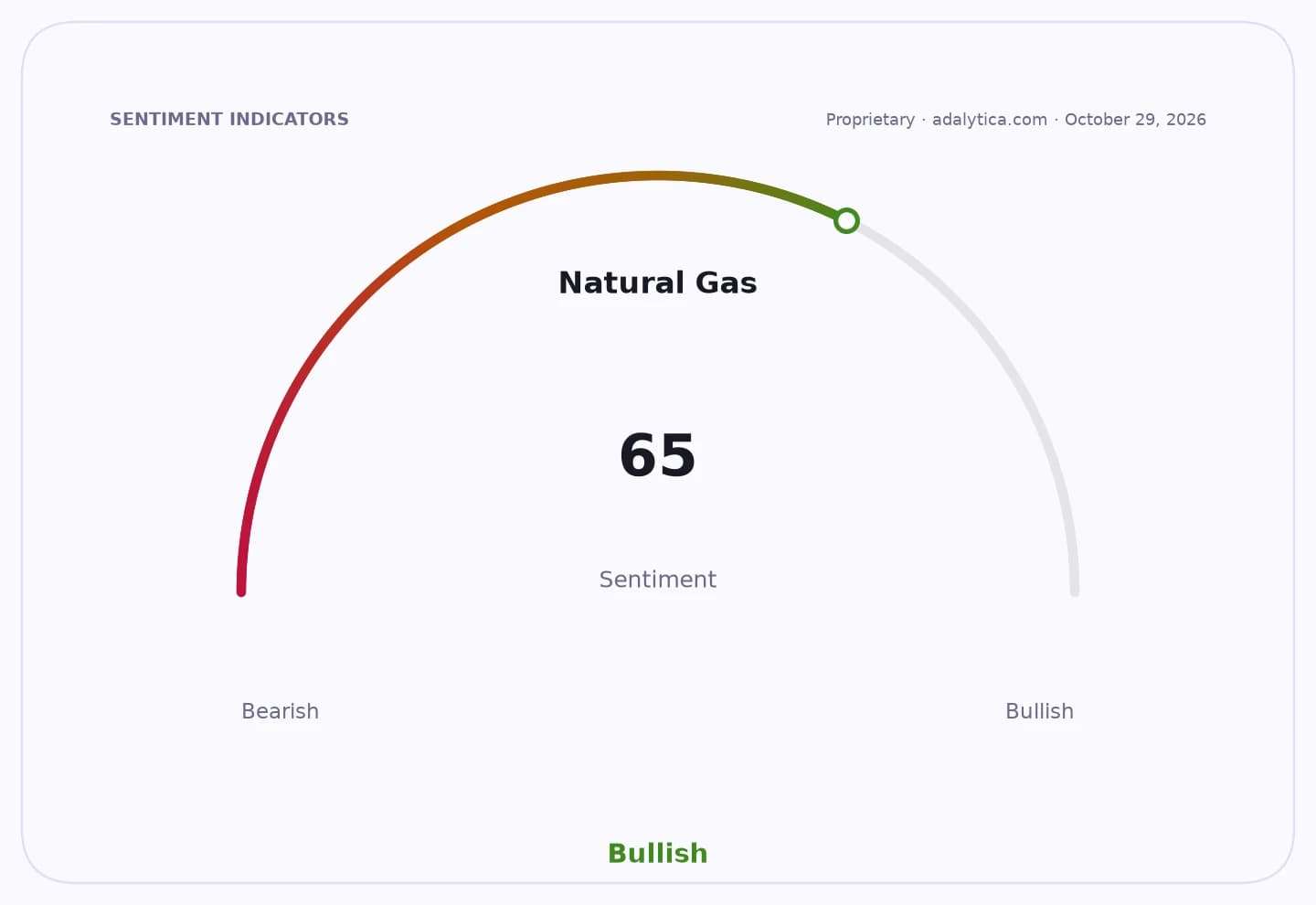
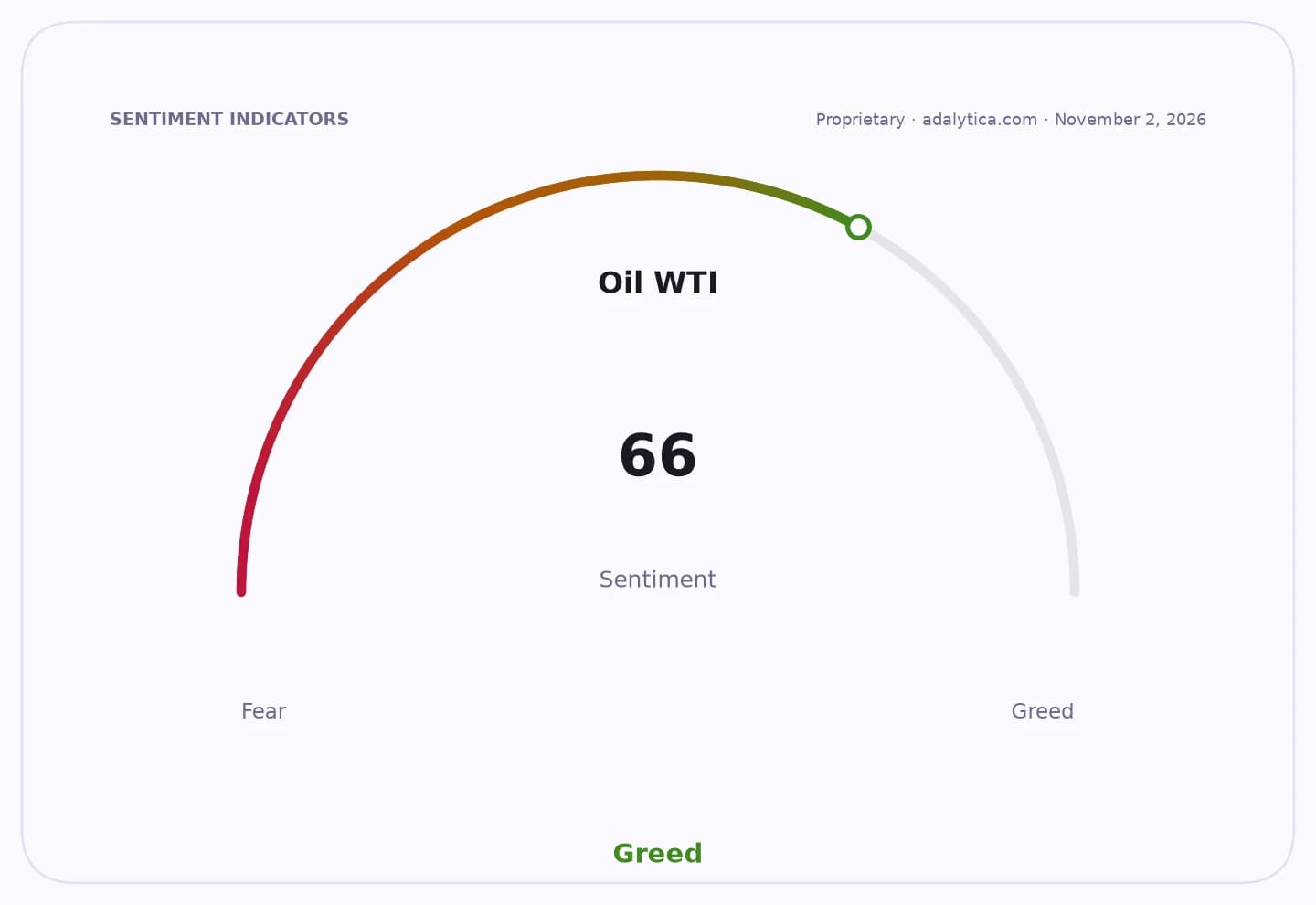
Sentiment Indicators
The scale is meaningful. A 25-year production window gives ADNOC a durable supply stream rather than a short-cycle boost, while 345 million scfd adds a sizable new source of gas for Abu Dhabi’s downstream system. For investors, that points to continued capital allocation toward integrated energy assets that can support volumes, long-term cash generation and industrial policy objectives. In a market where upstream spending has generally been disciplined and many producers are prioritizing returns, ADNOC’s decision highlights the advantage of state-backed balance sheets and long-horizon planning.
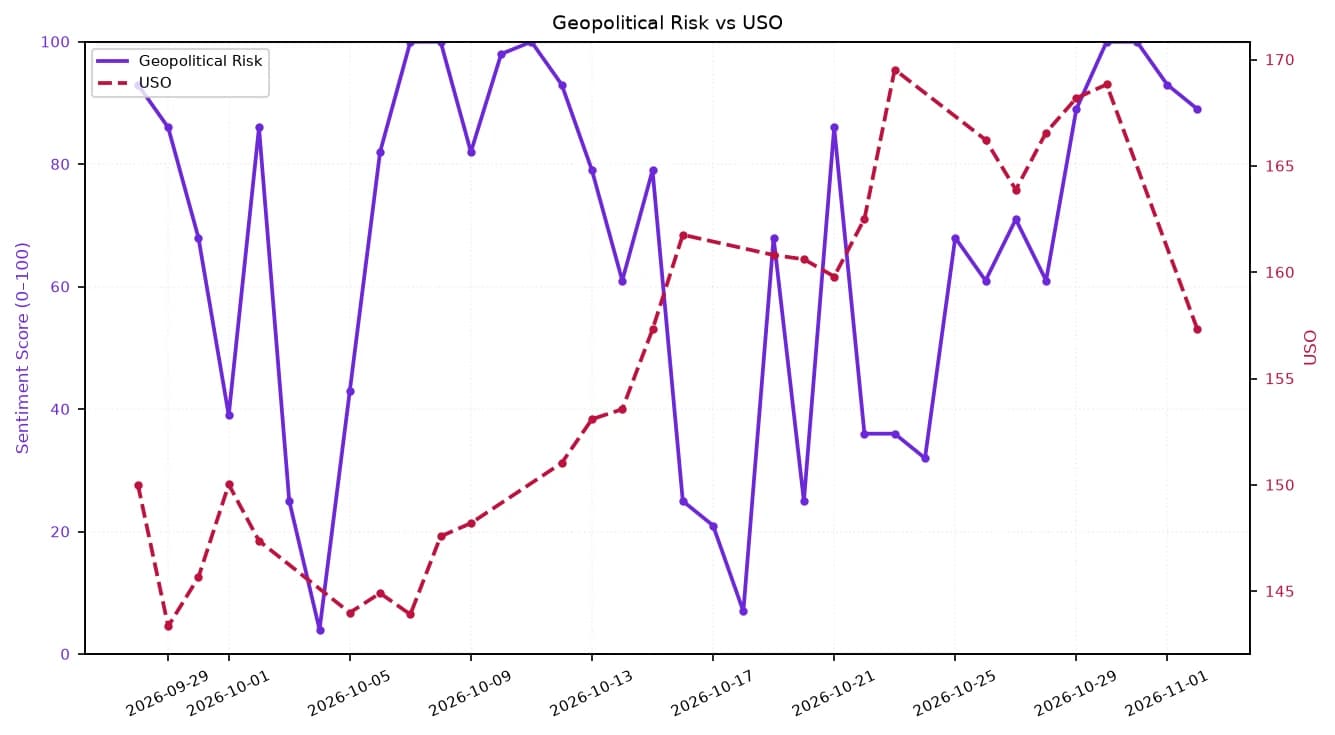
The project also fits into a broader regional backdrop of elevated geopolitical risk and firmer oil markets. Brent has been supported by tensions in the Middle East, while energy security has moved higher on government agendas after attacks on shipping and oil infrastructure. In that environment, domestic gas development carries added strategic value: it can cushion supply disruptions, support refinery and petrochemical operations, and reinforce the UAE’s position as a reliable energy exporter even as it expands lower-emission and unconventional resources.
For the sector, the FID may keep attention on Middle East gas as a growth area rather than a mature legacy business. Service companies and equipment suppliers with exposure to the region could benefit from the workstream around drilling, completion and infrastructure buildout, while global gas markets will watch whether new supply from the Gulf helps ease medium-term tightness. For ADNOC, the key question is execution: whether the project comes online on schedule in 2029 and whether its economics hold if commodity prices and regional security conditions shift.
| Entity | Gains | Losses |
|---|---|---|
| ADNOC | ▲Long-term gas supply | ▼Near-term capex burden |
| UAE industry | ▲Better feedstock security | ▼Less reliance on imports |
| Oilfield services providers | ▲More drilling and completion work | ▼Exposure to project delays |
| Rival gas exporters | ▲Little immediate gain | ▼Potential future competition |